In a New Light
For four nights, Cincinnati becomes a canvas.
Buildings move. Murals come alive. Streets become galleries. Light, projection, sound and technology transform familiar landmarks into something entirely new.
BLINK Cincinnati returns Oct. 8-11, 2026, and what began as a local experiment in 2017 has grown into one of the world's largest light and projection-mapping experiences.
More than 2 million people attended BLINK in 2024, with organizers estimating a $205 million economic impact. This year's festival features 92 artists representing 20 countries, including 30 from Cincinnati and Northern Kentucky.
How does Cincinnati compare with the world's other great light festivals?
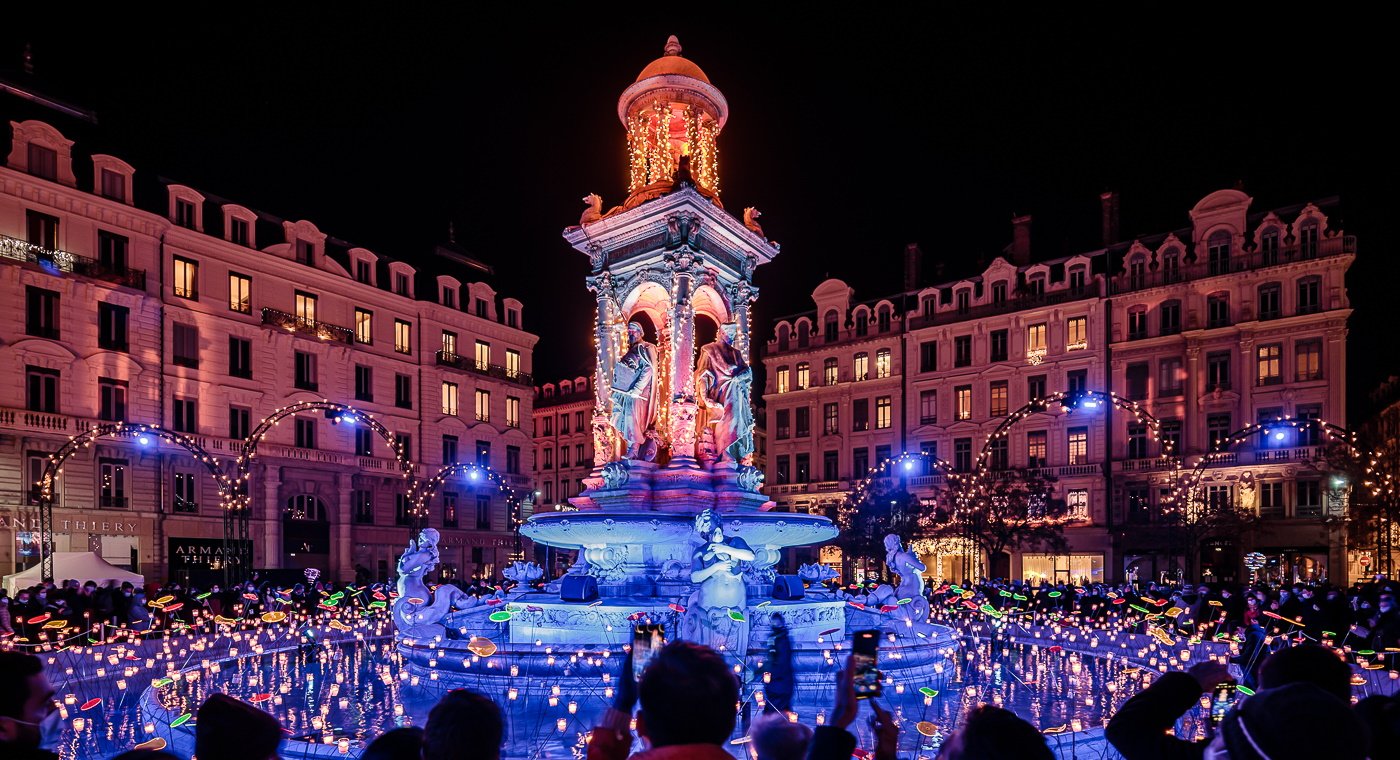
Lyon: Make It Part of the City's Identity
France's Fête des Lumières has roots dating to 1852 and today attracts more than 2 million visitors during four nights. Like BLINK, historic buildings become enormous projection canvases and the city itself becomes the gallery.
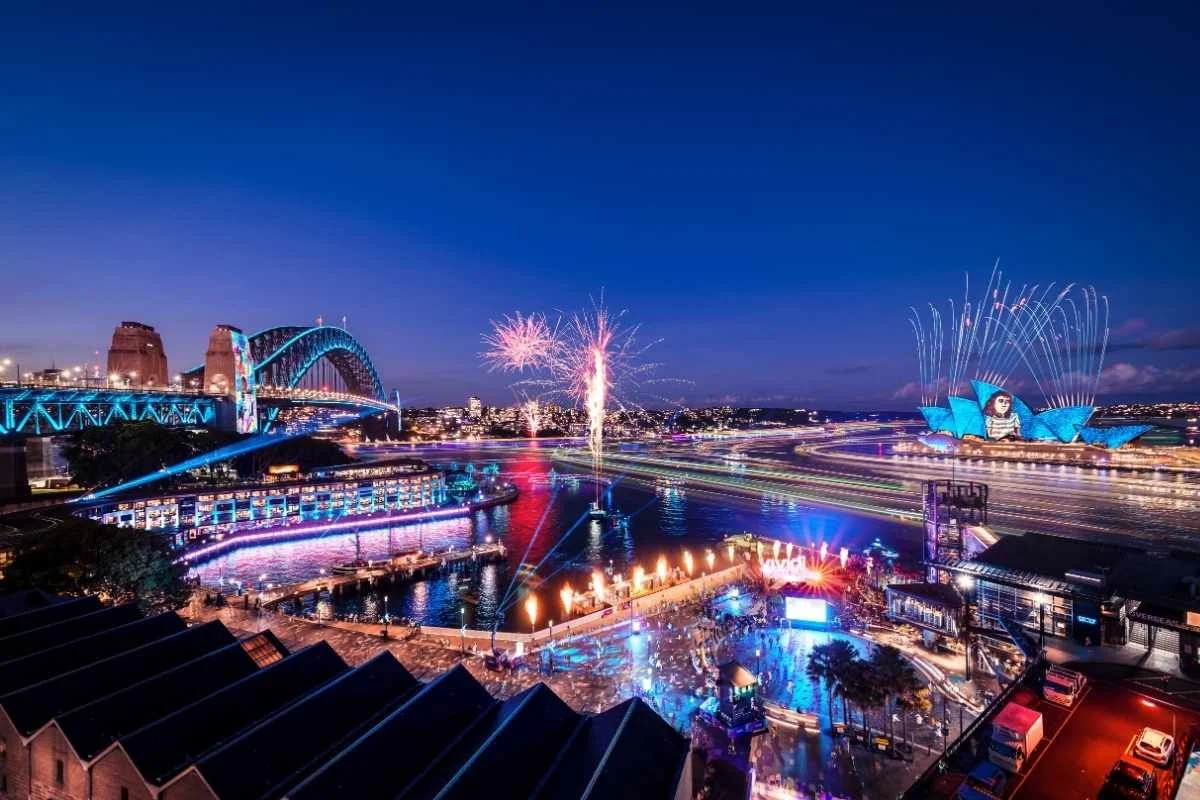
Sydney: Turn Visitors Into a Tourism Economy
Australia's Vivid Sydney attracted 2.54 million attendees in 2025 and generated approximately $164 million in visitor spending. Its secret is programming beyond light. Vivid combines Light, Music, Ideas and Food, while hundreds of restaurants, hotels and businesses participate in an official festival business program.
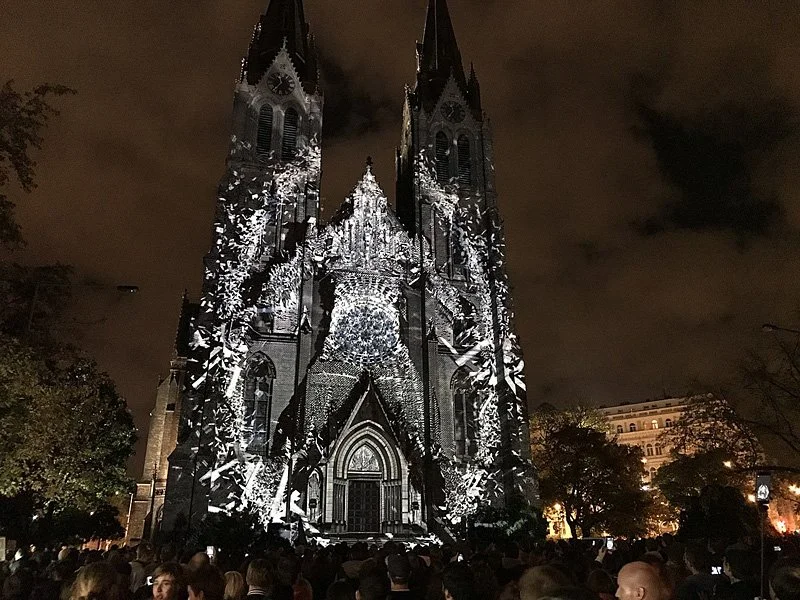
Prague: Become a Creative Technology Laboratory
The Signal Festival combines projection mapping with digital art, artificial intelligence and interactive technology. In 2025, artists transformed
Prague landmarks and even projected digital artwork onto a wall of water.
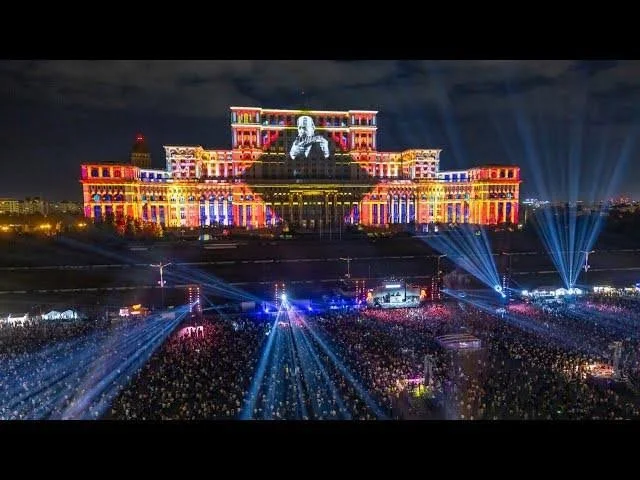
Bucharest: Turn Projection Mapping Into Competition
Romania's iMapp Bucharest transforms the massive Palace of Parliament into a 23,000-square-meter projection canvas. International artists compete before a jury and spectators, essentially turning projection mapping into a creative sport.
Could BLINK Become A Year-round Attraction and Economic Driver?
BLINK has already proven it can attract millions of people. Its next opportunity may not be getting bigger, but becoming more valuable to Cincinnati as a new tourist attraction and economic driver.
Borrowing from the world's leading festivals could mean creating an official BLINK hotel, year-round BLINK experience in a downtown museum setting, attracting technology companies to demonstrate emerging creative tools by moving their studios here; developing an international projection competition; and marketing BLINK globally as a reason to spend several days in Cincinnati, all year round.
Cincinnati also has something many light festivals don't: permanence. More than 70 murals have been created through BLINK, leaving a public-art legacy long after the projections disappear.
Sydney has its harbor. Lyon has centuries of tradition. Prague has its historic architecture.
Cincinnati has a compact urban landscape stretching across a river, filled with murals, historic buildings, bridges and public spaces.
For four nights, BLINK connects them all. The result isn't simply art in the city – The city becomes the art.
– Jackie Reau