
New Around Beer
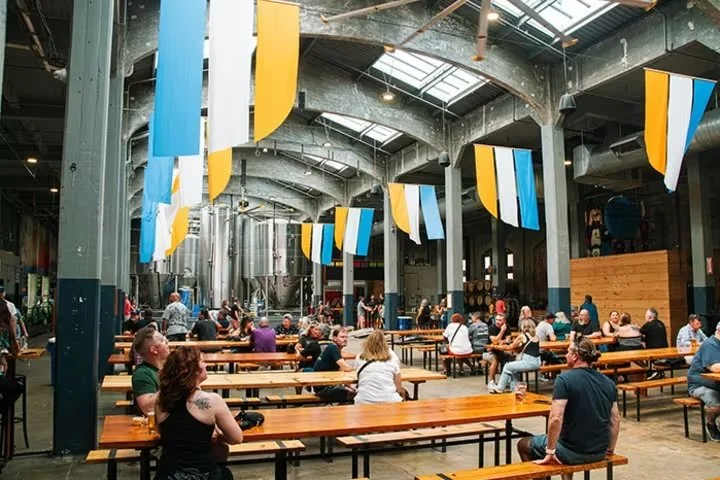
How – where, when, and why – people drink beer is changing. Even in Cincinnati!
Beer is bought in grocery aisles, gas stations, bottle shops, restaurants, bars, and stadiums, and people drink through out the region every week, not just during Oktoberfest season.
Beer buying splits roughly three to two between taking it home and drinking it out. The grocery aisle and the barstool are two different economies, and beer feeds both. These two distinct beer economies – off-premise retail and on-premise drinking – offer varied opportunities, including how best to
Treat beer as a year-round economic staple, not a seasonal category. Nearly 767,000 monthly buyers sustain activity across all twelve months, and messaging or policy that frames beer only around festivals understates its footprint.
Protect and grow the craft layer. A base of 219,172 craft and microbrew drinkers is large enough to anchor local breweries, which keep production, jobs, and tax revenue inside the region rather than exporting them to national brewers.
Value the venue channel in civic planning. The stadium, arena, bar, and restaurant beer trade is the most direct link between the events calendar and local revenue, and it is the channel most worth measuring in dollars next.
The Customer Is Changing
One challenge facing the beer industry, both locally and on the national level, is that consumers have more choices than ever.
Beer now competes with wine, spirits, hard seltzers, canned cocktails, THC beverages, nonalcoholic beverages and a growing wellness movement encouraging moderation.
Younger consumers also don’t necessarily develop the same drinking habits as previous generations. The response from innovative breweries has been diversification. Many taprooms now offer cocktails, wine, nonalcoholic beer and other beverages alongside traditional beer.
The smartest operators aren’t asking, “How do we get people to drink more beer?” they’re asking, “How do we give people more reasons to come here?” That’s a fundamentally different business strategy.
The Next Great Brewery May Look More Like a Hospitality Company
The evolution raises an interesting question for Cincinnati’s brewery entrepreneurs.
What business are they actually in? Because it’s really manufacturing, packaged goods, entertainment and even real estate.
The brewery of the future may still be judged by what’s in the glass. Its balance sheet will increasingly depend on everything happening around it.
What Oktoberfest Can Teach the Beer Business
That’s what makes Cincinnati’s biggest beer weekend an interesting business case study.
Oktoberfest Zinzinnati doesn’t attract hundreds of thousands of people because everyone suddenly becomes a beer expert for four days. People come for tradition, to have fun, eat cream puffs, hear accordions, and meet their friends. Going to Oktoberfest has become part of what it means to experience Cincinnati.
Beer sits at the center of that ecosystem without having to be the entire ecosystem. The future may involve fewer barrels and breweries, but that doesn’t mean Cincinnati’s beer story is ending.
It means the next chapter will reward businesses that understand that the most valuable thing they sell may not be beer at all – It’s belonging.
As hundreds of thousands of people descend on Cincinnati’s riverfront this weekend, they’ll provide one of the country’s biggest demonstrations of that business model.
Beer brings them together, the experience keeps them coming back.
Sources: Nielsen Scarborough PRIME Lingo | Cincinnati, OH 2026 Release 1 Total (Feb-Jul 2025 / Sep 2025-Feb 2026); Brewers Association, Ohio Craft Brewers Association and Oktoberfest Zinzinnati.