

Portrait of the Artist
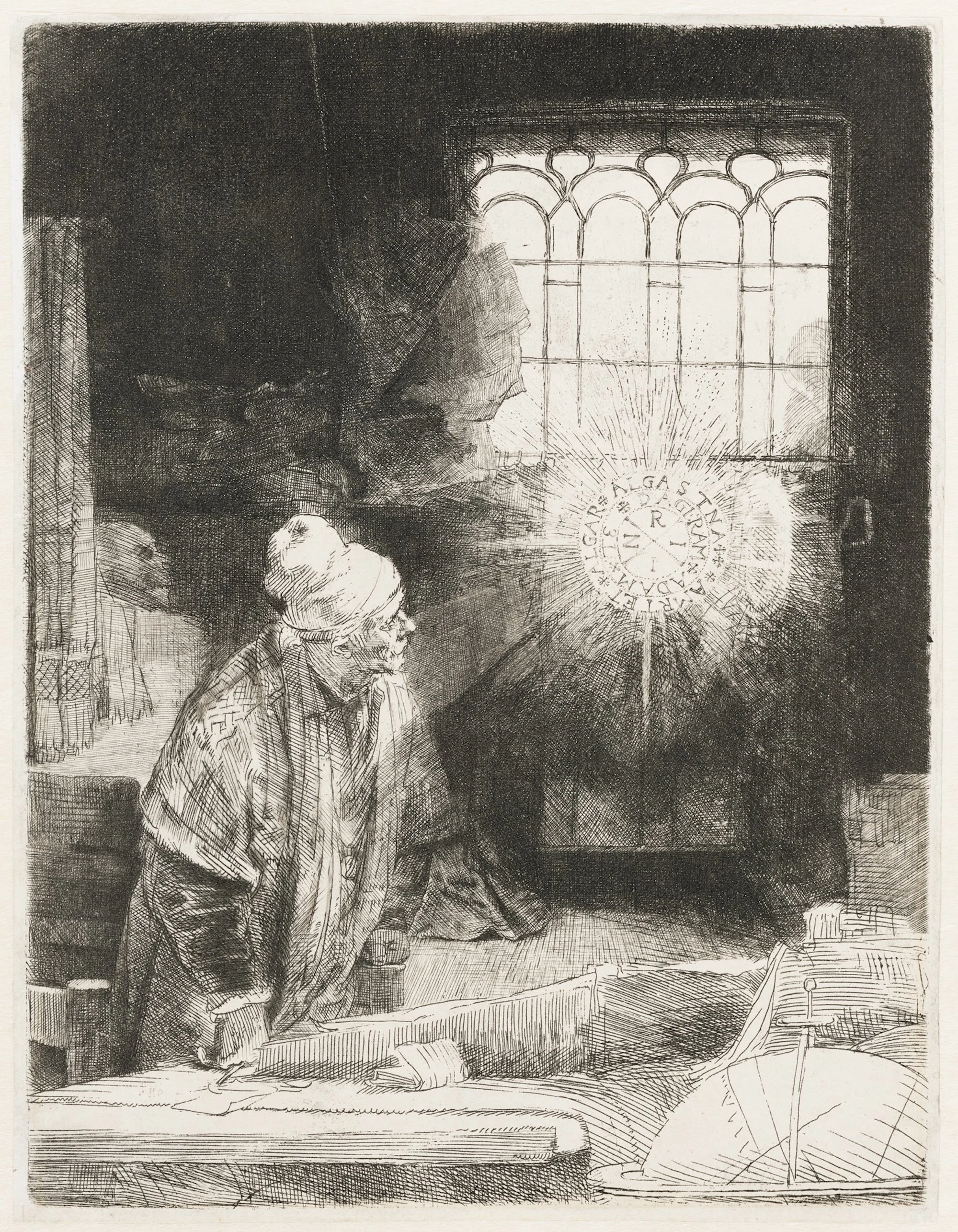
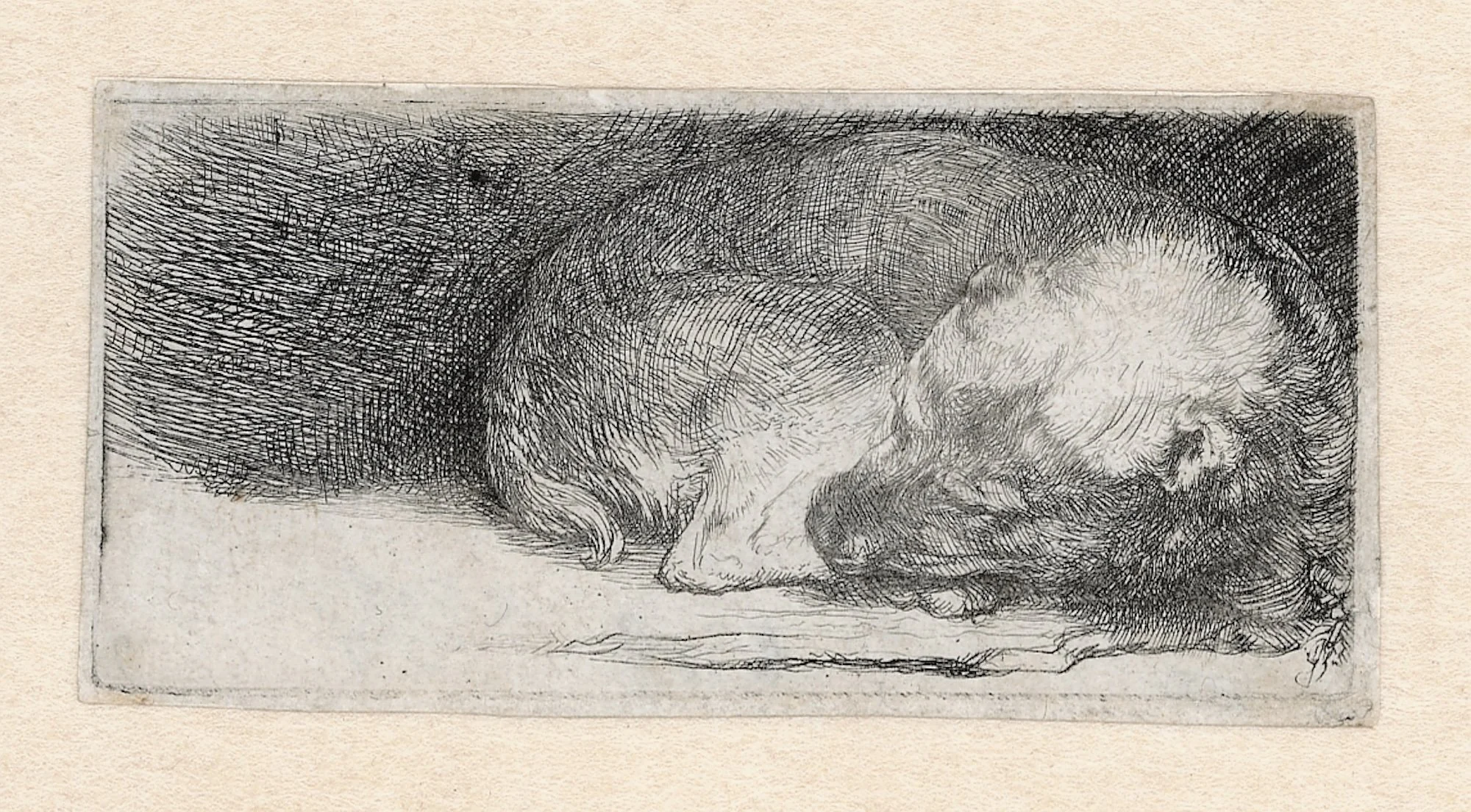
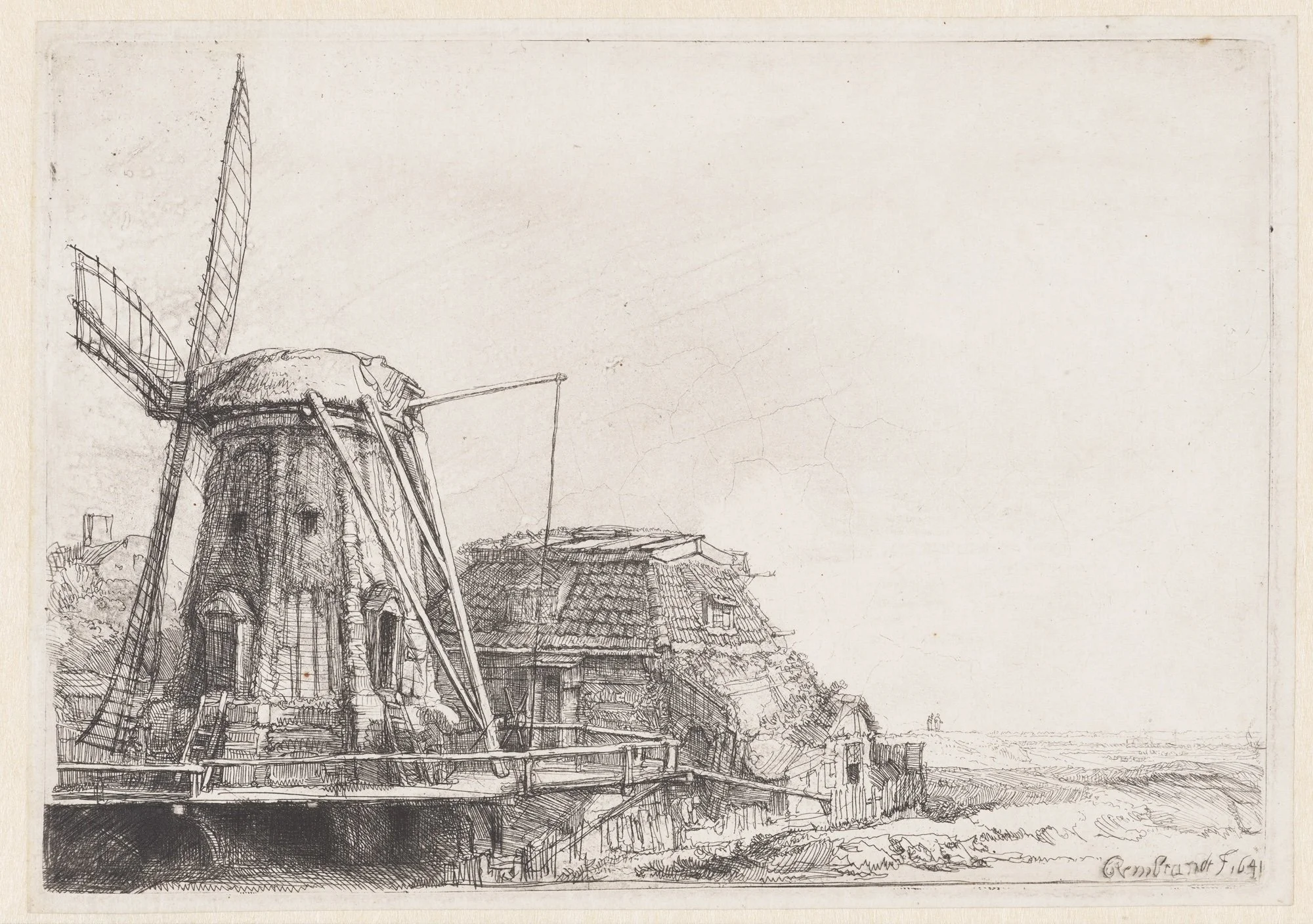
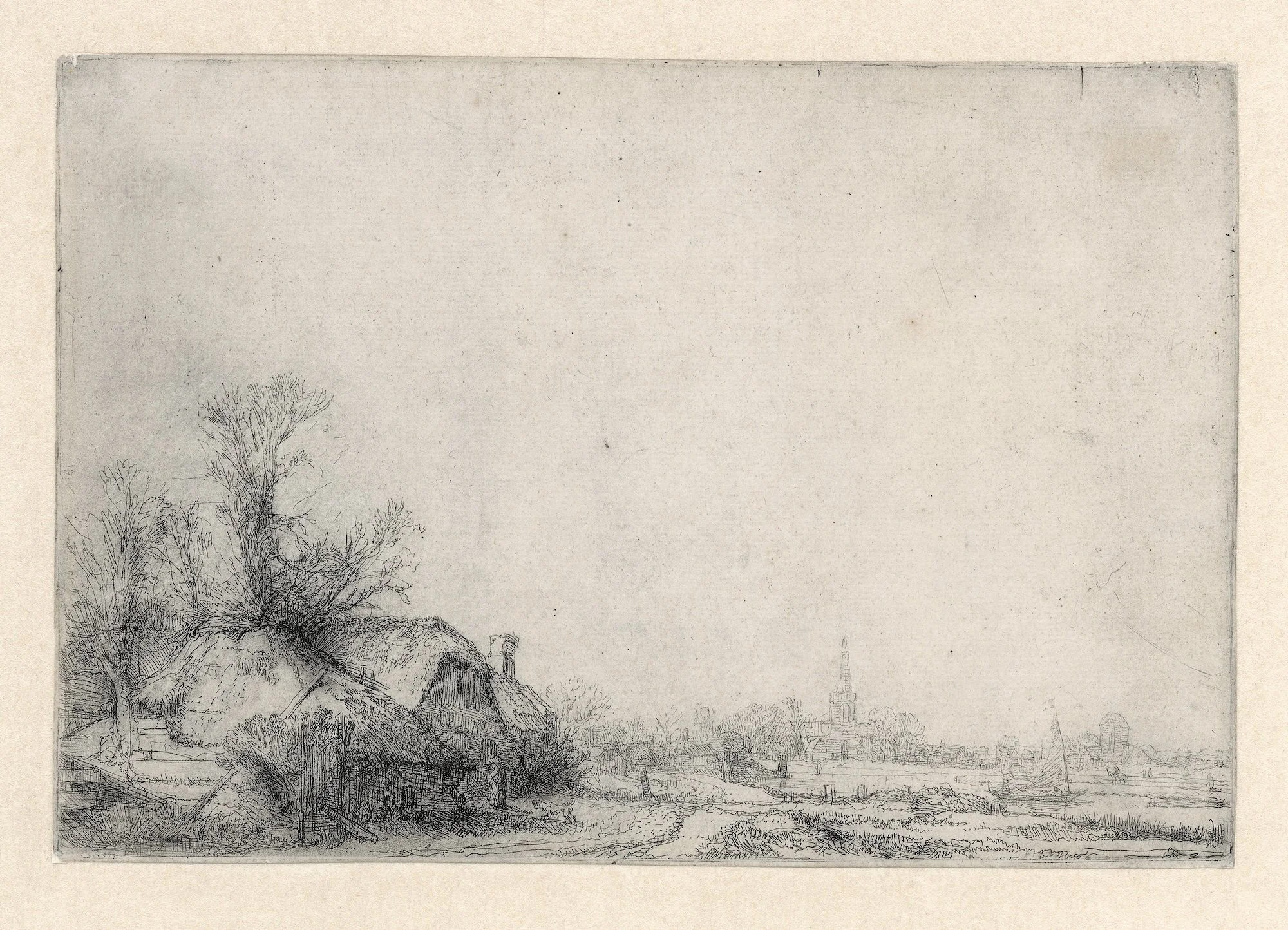
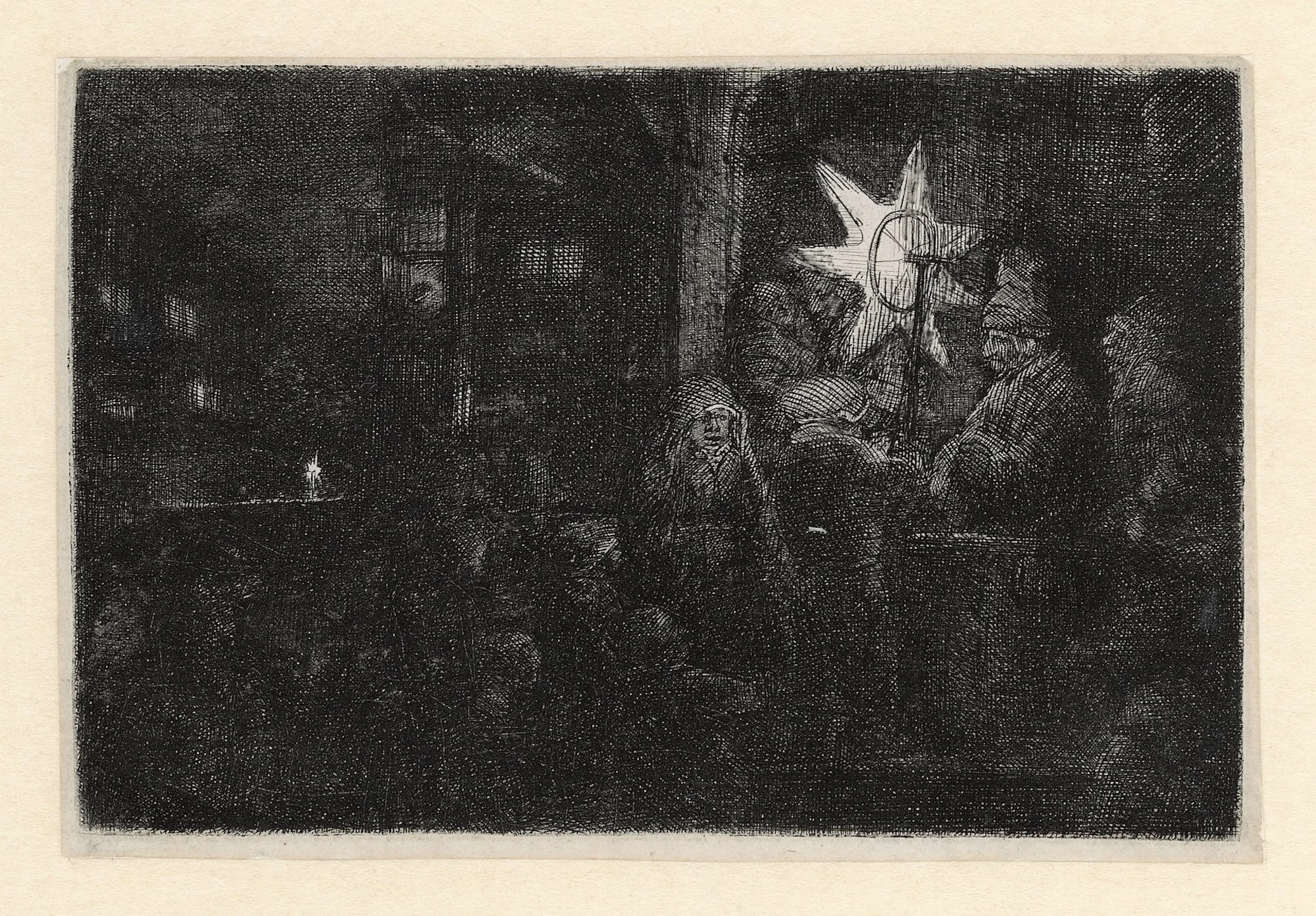
Visitors to the Taft Museum of Art have been greeted by a pair of Rembrandts for more than 90 years. That couple will soon be joined by nearly 50 rarely exhibited works, presenting the depth and breadth of Rembrandt’s etching subjects, including portraits, self-portraits, scenes from daily life, landscapes, narrative scenes, and still lifes.
Co-organized by the Rembrandt House Museum (the artist’s former home and studio in Amsterdam) and the American Federation of Arts, “Rembrandt: Masterpieces in Black and White–Prints from the Rembrandt House Museum” is the first time in 27 years that this exquisite collection of etchings will be shown outside of the Netherlands. The exhibition also demonstrates Rembrandt’s centuries-long impact on the field of printmaking through a select group of etchings by Rembrandt’s contemporaries, as well as later admirers including James McNeill Whistler and Pablo Picasso.

“Rembrandt: Masterpieces in Black and White–Prints from the Rembrandt House Museum”
Feb. 7–May 17
Taft Museum of Art, 316 Pike St.
Co-organized by the Rembrandt House Museum and the American Federation of Arts,
General admission is free for Taft members, military, and youth (17 and under); $20 for adults; and $18 for seniors. Admission is free on Sundays and Mondays.
Tickets, programs, and information at taftmuseum.org/Exhibitions/Rembrandt.
“This is an exciting time to showcase the pioneering techniques of one of the world’s most famous artists,” says Tamera Lenz Muente, curator, who will oversee the presentation of the show at the Taft Museum of Art. “One of the Taft’s most significant and beloved paintings is Rembrandt’s ‘Portrait of a Man Rising from His Chair,’ so it’s wonderful to be able to further highlight his artistic achievements.”
Rembrandt van Rijn (Dutch, 1606–1669) is widely regarded as one of the greatest artists of all time. His innovation, creativity, and influence is evident not only in his paintings, but also in the more than 300 etchings he made during his career. At a time when most saw etching primarily as a vehicle to reproduce famous works of art, Rembrandt utilized the medium to create groundbreaking compositions. Filled with delicate lines and velvety shadows, his etchings often convey the same psychological intensity seen in his oil paintings.
“In 1999, the Taft debuted etchings from the Rembrandt House Museum to critical acclaim in the U.S., and we are thrilled to be one of three museums on their second American tour,” says Muente. “It’s an opportunity to introduce a new generation to Rembrandt’s remarkable creative vision. The intimacy of his etchings, their awe-inspiring draftsmanship, and their emotional impact make these works still very relevant today.”
In the exhibition, 45 etchings – many among his most well-known – demonstrate Rembrandt’s pioneering approach to printmaking. Eight sections examine themes including the artist’s working directly from life, creating emotional impact through the use of light and dark, and shaping identity through portraits and self-portraits. A special part of the exhibition focuses on how Rembrandt made his etchings, through video, etching tools and materials, and copper plates used by the artist himself. Finally, fifteen etchings by later artists show Rembrandt’s impact across generations. Throughout, Rembrandt’s innovative visual storytelling emerges in powerful details of human expression, and his lasting legacy becomes evident.
“We at the Rembrandt House Museum are delighted to bring Rembrandt's fascinating prints to audiences outside of the Netherlands,” says Epco Runia, head of collections at the Rembrandt House Museum and the show’s curator. “With this exhibition we hope to demonstrate that each of Rembrandt's prints is a work of art in its own right. If you take the time to look at them closely, a whole world opens up to you: a world in black and white, but with enormous visual richness.”
Header image: Rembrandt van Rijn (Dutch, 1606–1669), “Self-Portrait, Wearing a Flat Cap,” about 1642, etching, 3 11/16 x 2 7/16 in. Rembrandt House Museum, Amsterdam