

More to See
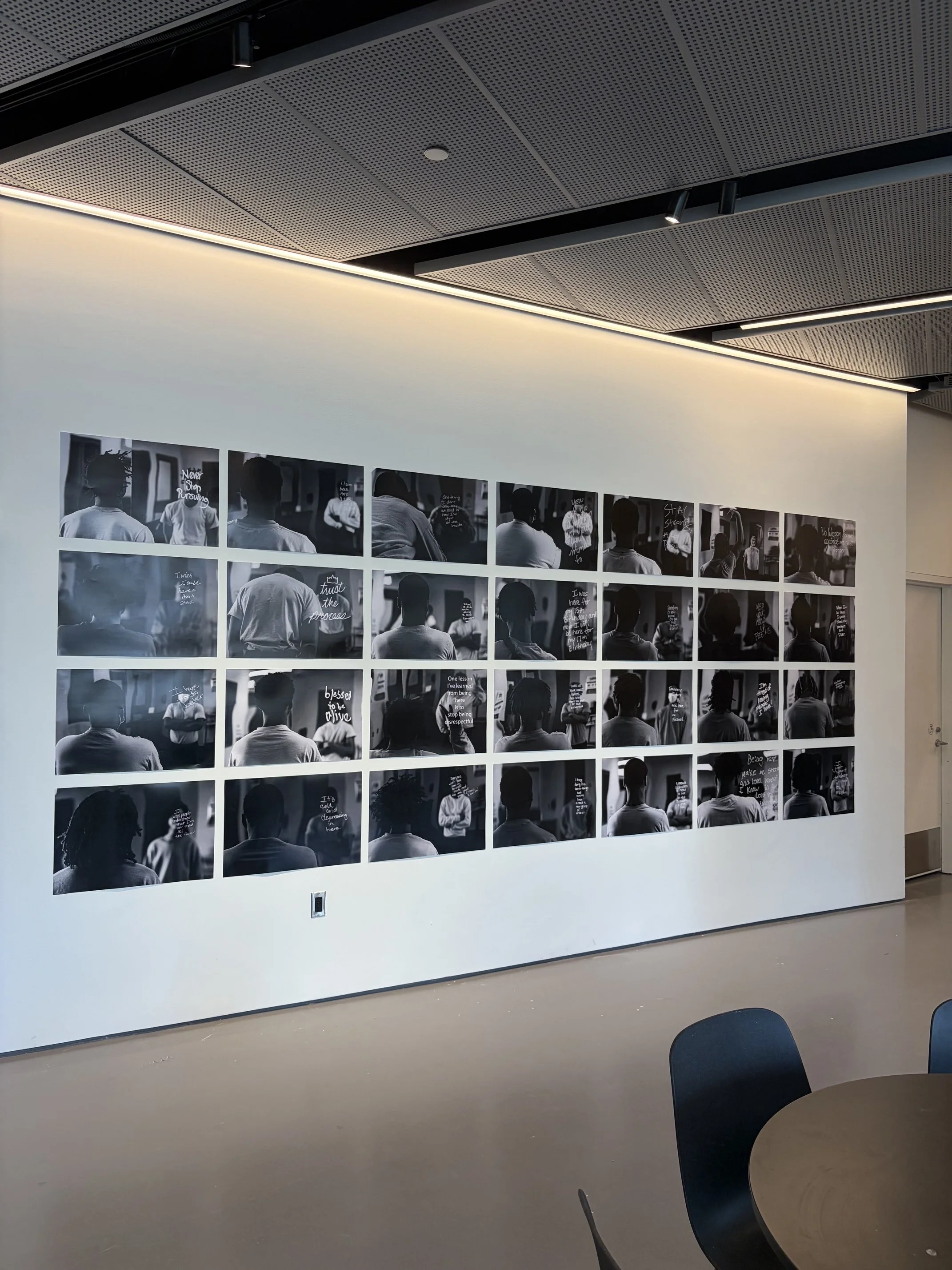
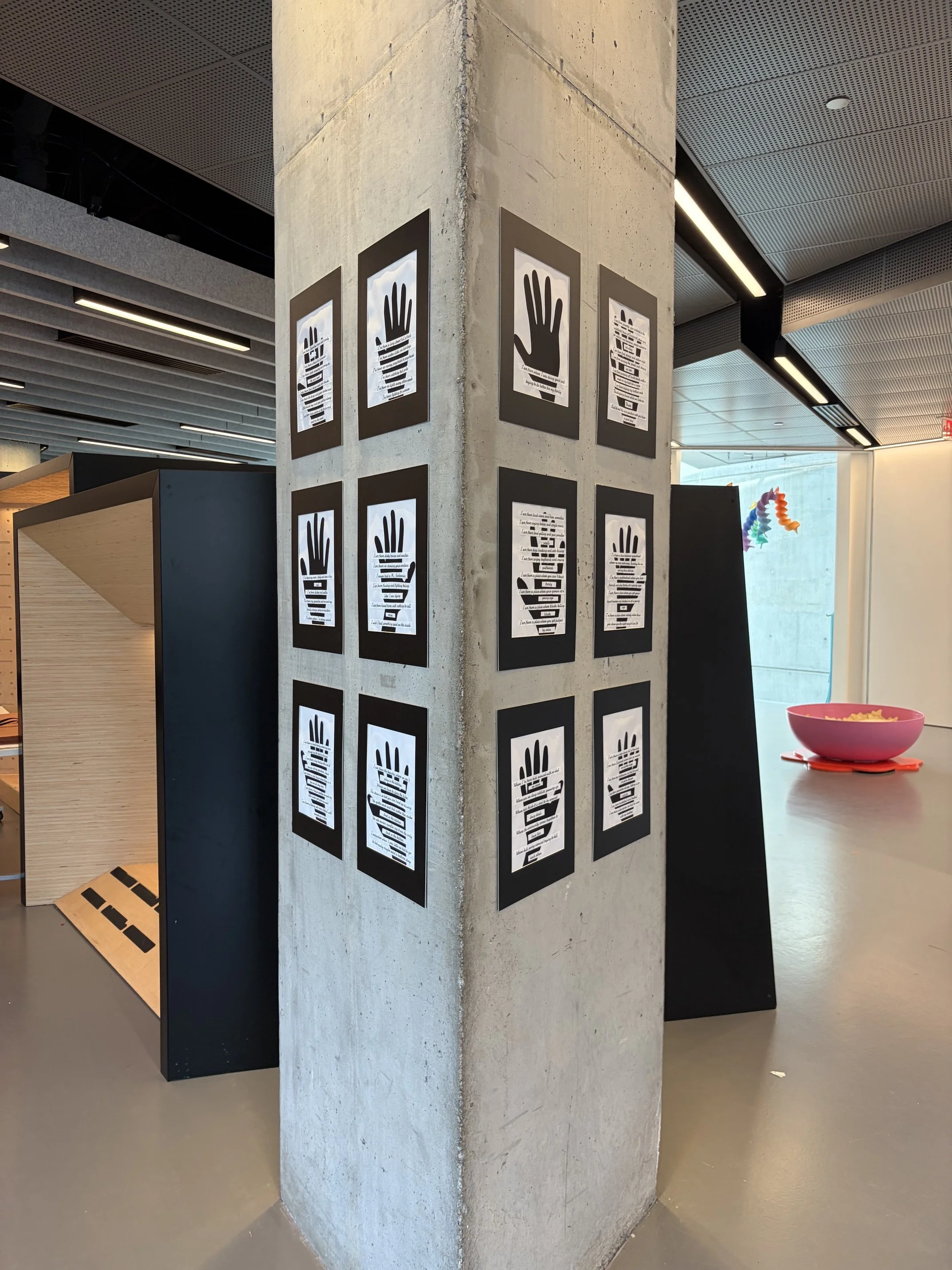
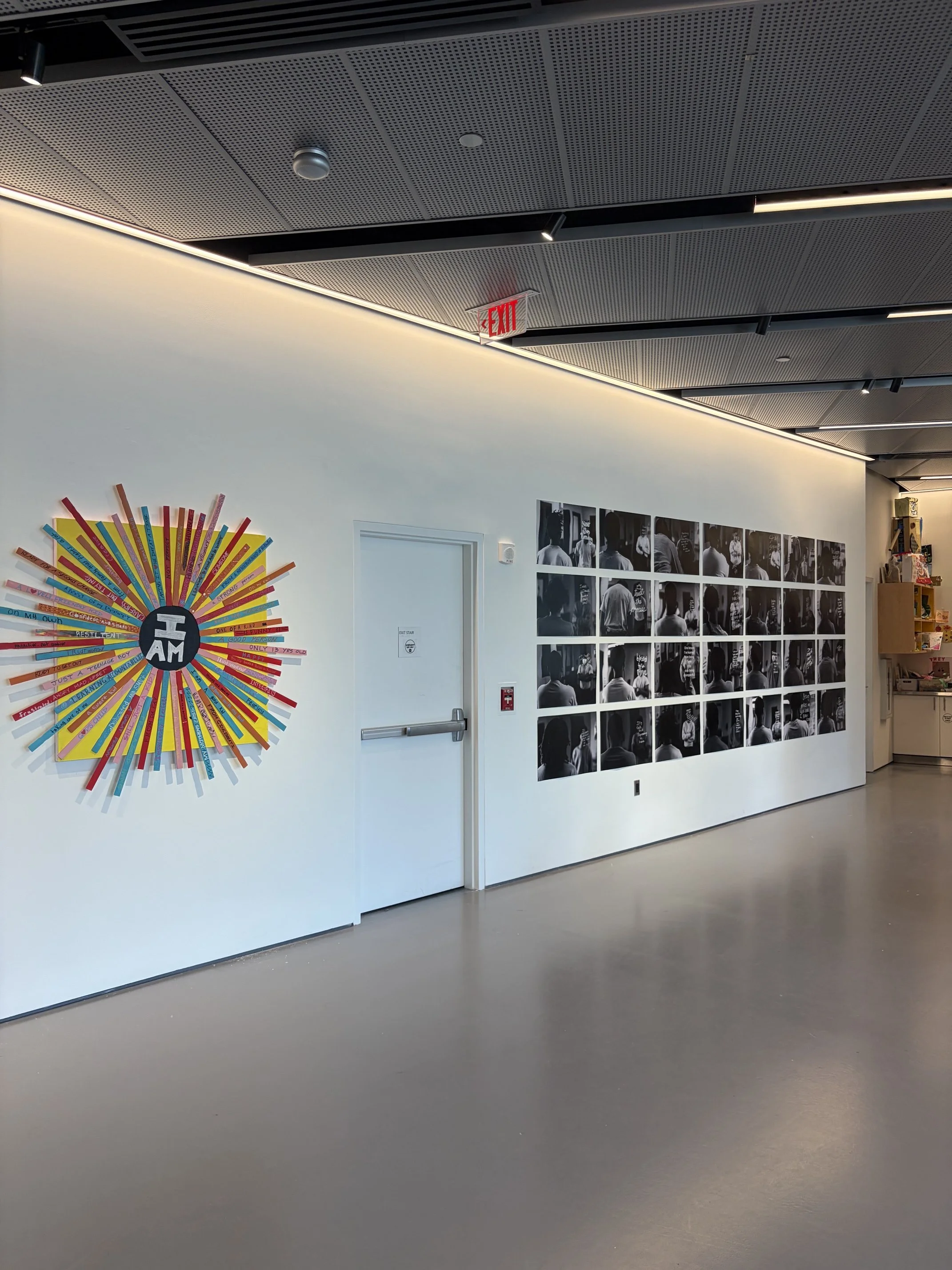
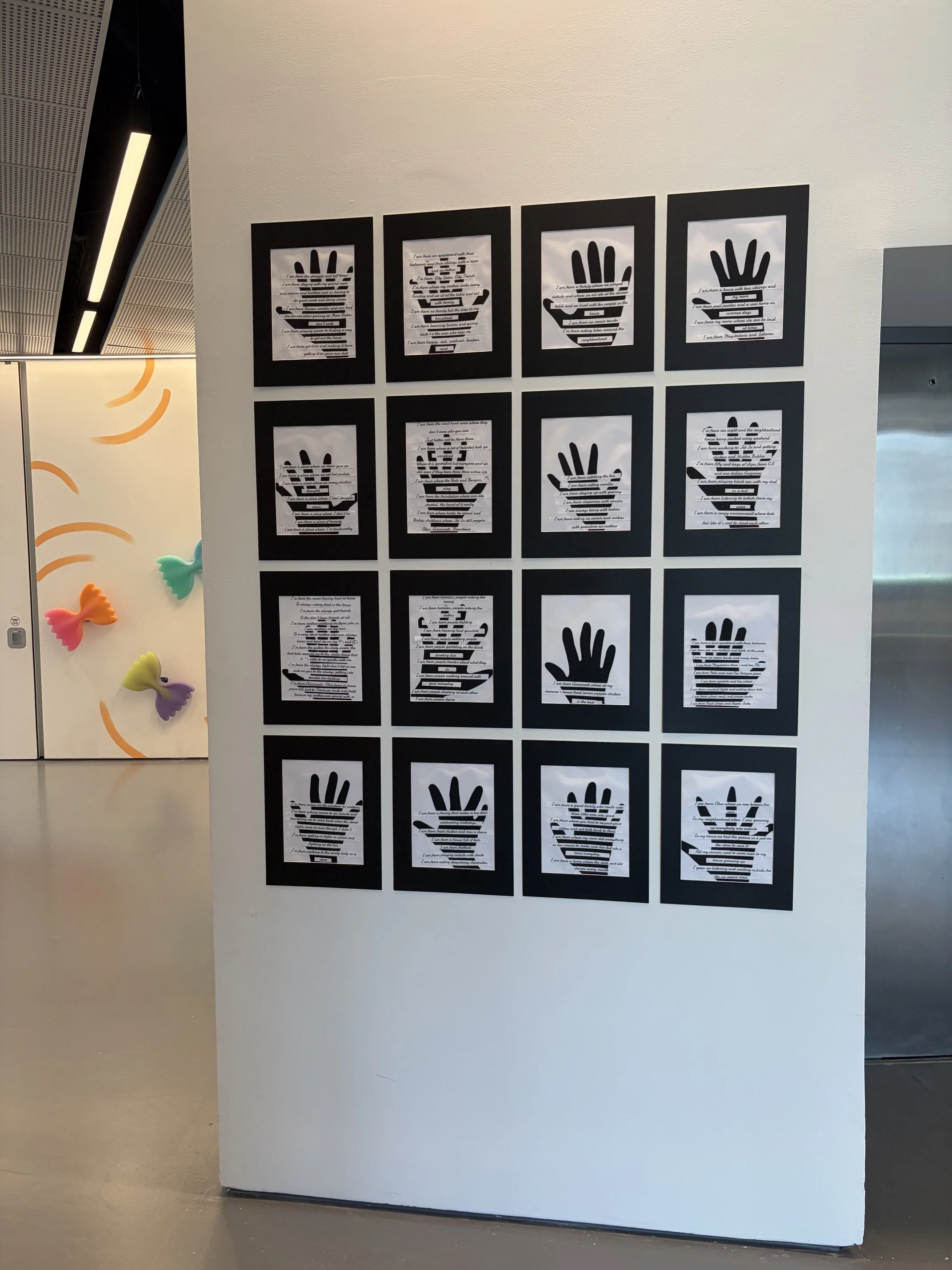
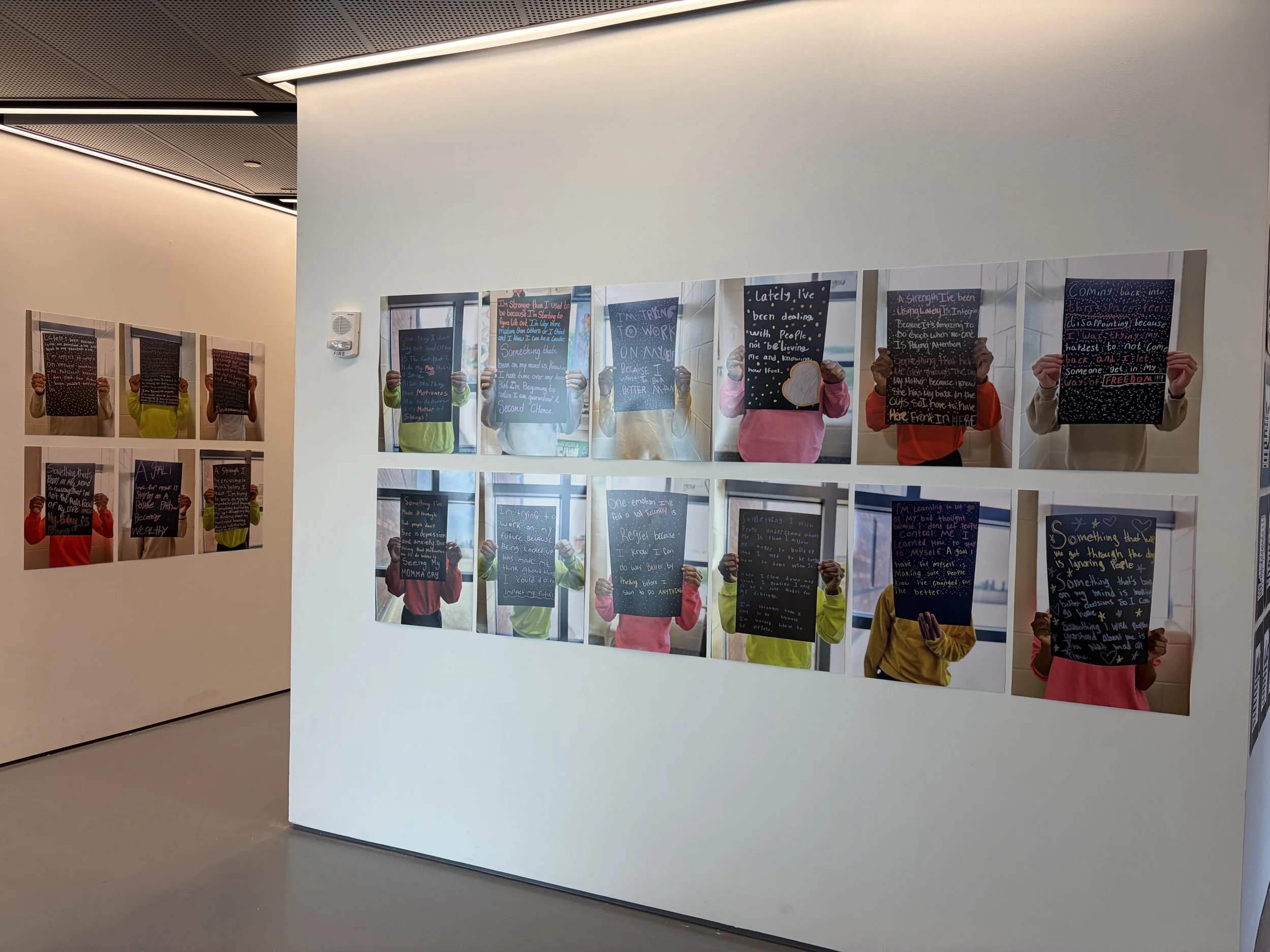
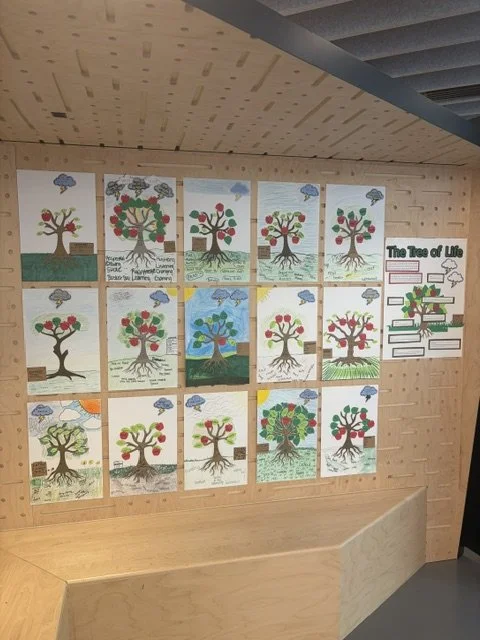

“Voices Unheard: Art, Identity, and Experience”
Opening reception: Friday, May 15, 5 p.m.
Community Gallery
Contemporary Arts Center, 44 E. Sixth St.
Exhibition continues through May 31.
More at cincycac.org.
Through a new partnership, Contemporary Arts Center (CAC) and the Hamilton County Juvenile Court are working to develop meaningful, creative opportunities for court-involved youth.
The initial collaboration opens to the public this Friday, with a multi-media exhibition showcasing the voices of young people currently housed at the Court's Youth Detention Center.
The exhibition, “Voices Unheard: Art, Identity, and Experience,” was created with support from the music, English, art, and science teachers inside the Youth Center's Cincinnati Public School. The works – including photographs and original words and music by the students – reflect personal stories of identity, resilience, rehabilitation, and growth shaped by lived experiences.
“Voices Unheard” invites visitors to look beyond assumptions and connect with the creativity, strength, and humanity of these young artists, offering an opportunity for reflection, understanding, and community connection.
Penny Harris, a CPS art teacher for 30 years, has worked at the CPS Youth Center school for the past seven years. A collaboration with local photographer Julian Howard sparked the idea for the CAC exhibit.
“At the Youth Center, all of our classrooms have become important spaces for detained kids,” says Harris. “They’re places where the kids can be creative, feel heard and valued. We reinforce to them that their voice matters and despite their circumstance, their futures hold promise.”
The county’s Youth Detention Center holds children facing serious charges while their case moves through the juvenile court system. If a child's case is bound over to the adult system, they remain in juvenile detention until the case is decided, up until the age of 21.
“By providing access to the arts through opportunities like this exhibition, CAC hopes to offer the assistance needed to help young people recognize their potential, find their voice, and envision new possibilities for their future,” says Elizabeth Hardin-Klink, director of education at CAC. “The work these students have created, with the tremendous support of dedicated CPS educators, is something to be championed in our community.”
“We are very grateful to our CPS teachers and CAC for working together to create this partnership for kids in our care,” said Juvenile Court Administrative Judge Kari Bloom. “Data tells us that a young person's brain is not fully developed until their mid-20s. For kids in the juvenile justice system, exposure to opportunities like this give them self-awareness, resilience, and a stronger sense of identity. Developing those qualities will lead to better outcomes for them and the community, when they are eventually released.”