

First and Foremost
Just 12 years younger than the nation, Cincinnati has been at the center of sweeping changes and pioneering innovations that have influenced the region, the country, and the world.
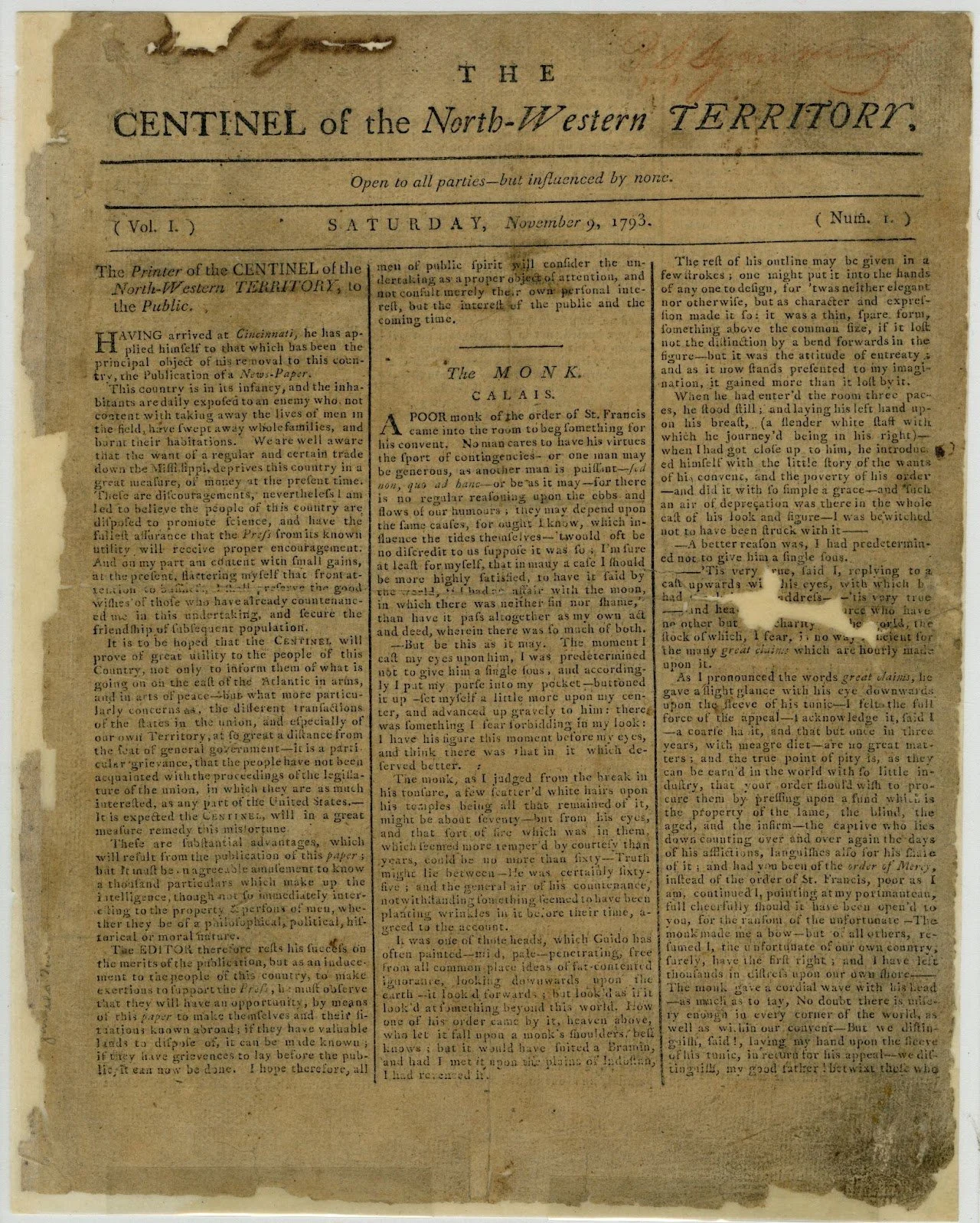
The Centinel of the North-Western Territory
The Centinel of the North-Western Territory, established in 1793 by William E. McGuffey (yes, the “McGuffey Readers” guy) was the first newspaper in Ohio and one of the earliest newspapers in the Midwest.
Edited by William Maxwell, a Revolutionary soldier, who moved west after the war. It was the first printing of record in what is now Ohio, Indiana, Illinois, Michigan, and Wisconsin – the Old Northwest Territory – and was published weekly until 1796, when Maxwell sold the paper.
The Centinel earned a reputation for reliability and became an influential voice in local journalism, contributing to community engagement.
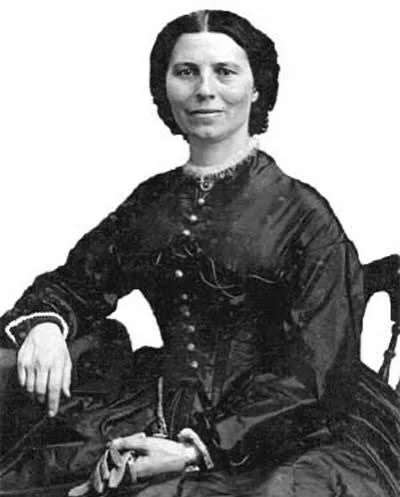
Elizabeth Blackwell
Elizabeth Blackwell’s story begins on Eighth Street between Walnut and Main– not far from the plaque honoring her on the YWCA building. Blackwell, her mother, and sisters opened The Cincinnati English and French Academy for Young Ladies in their home as a way to support themselves. A dying friend’s comment – that she would have received better care from a female physician – inspired Blackwell to apply to medical school.
She enrolled at Geneva Medical College and in 1849 became the first American woman to earn a medical degree, training nurses for Union hospitals during the Civil War. Blackwell also championed social justice and women’s rights, advocating for equal access to education.
Today, women make up more than half of all U.S. medical school enrollees – a milestone that traces its roots directly to the doors Blackwell forced open more than 175 years ago. Her legacy endures in every woman who has practiced or aspired to practice medicine.
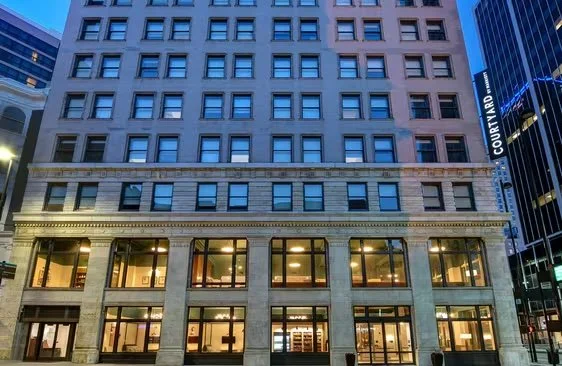
Ingalls Building
If you are walking around the corner of Fourth and Vine streets, you may overlook the Ingalls Building – the world’s first reinforced concrete skyscraper.
Standing 16 stories tall, the building helped cement the acceptance of high-rise concrete construction across the United States. When Melville E. Ingalls first proposed the idea to city officials, the skepticism ran high – the tallest building at the time stood just six stories. It took two years to secure the permit, but in 1903 the building was completed and became an instant landmark. His pioneering efforts helped establish the viability of concrete for large, multi-level buildings.
Now a Courtyard by Marriott hotel, the building serves as a reminder that Cincinnati has long punched above its weight in shaping American innovation – and that sometimes the most transformative ideas come wrapped in the most unassuming facades.
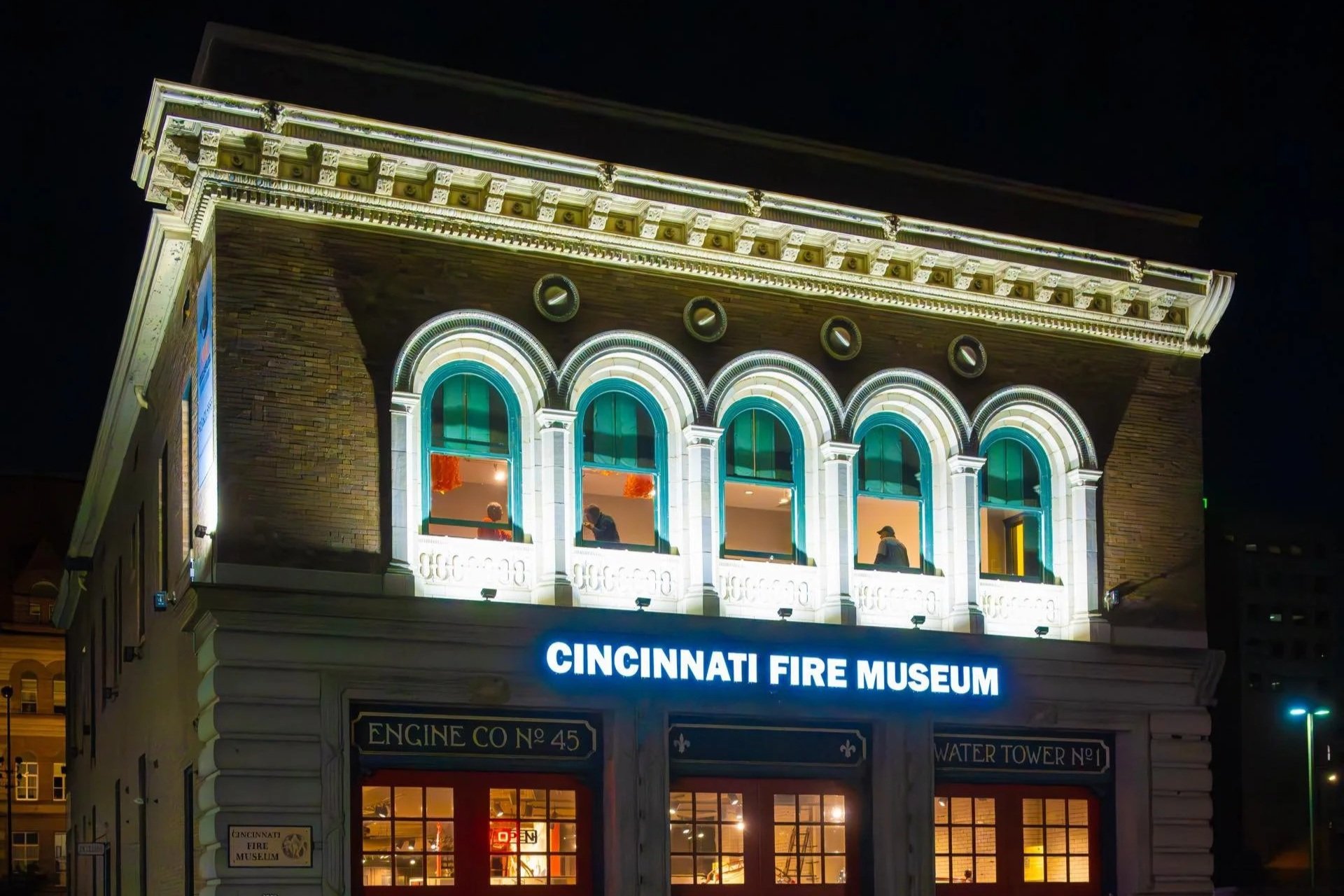
Fire Museum
The Cincinnati Fire Museum is more than just an educational building – it stands as a reminder of the long history of firefighting in Cincinnati.
The city made history in 1853 when it established the nation’s first paid, professional fire department by law. The department’s organizational model became a blueprint adopted by cities across the country, cementing Cincinnati’s place as a pioneer in the technological and administrative development of the American fire service. The museum opened in 1980 with a mission to honor the history of the first volunteers, the first paid professionals and the modern firefighter, while also teaching visitors the importance of fire safety. Its interactive exhibit, the Safe House, empowers guests with hands-on fire safety education set inside a model home environment.
As one of the most prominent and prosperous American cities in the mid-1800s – and home to Harriet Beecher Stowe, whose observations and experiences inspired “Uncle Tom’s Cabin,” a novel that transformed the country – Cincinnati played a pivotal role in the Civil War. That history is commemorated throughout the city.
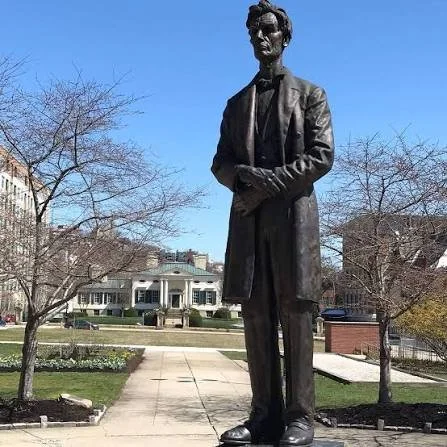
Lincoln Statue in Lytle Park
In 1913, Charles P. Taft – brother of former U.S. president William Howard Taft – commissioned sculptor George Gray Bernard to create a statue of Abraham Lincoln, honoring the man who led the nation through the Civil War.
What set Bernard’s work apart from other Lincoln sculptures was his use of a life mask of Lincoln rather than relying on decades-old photographs. Nonetheless, the statue drew sharp criticism over its portrayal of Lincoln,
That Lincoln continues to inspire public art, political debate and civic pride more than 160 years after his assassination speaks to the enduring power of his presidency and the values he represented.
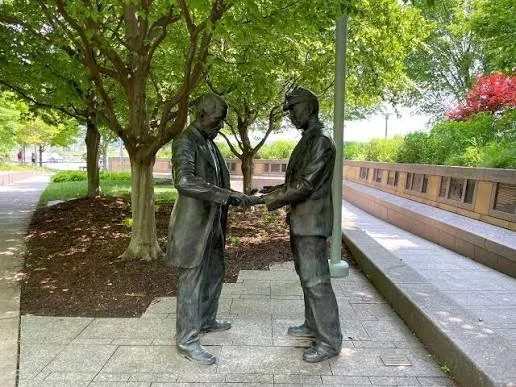
Black Brigade Monument
In 1862, the Black Brigade of Cincinnati became the first organized African American group employed for military duty in the Civil War, mobilized to protect Cincinnati from Confederate forces.
When members first sought to volunteer, city officials dismissed them, saying it was not their war to fight. On Sept. 4, General Lew Wallace appointed Judge William Martin Dickson to lead the African American men, removing them from the mistreatment they had faced at the hands of the police. Many of the men voluntarily returned to serve under Judge Dickson, marching across the river under the National flag, digging rifle pits, clearing trees, and building forts, magazines, and roads.
The Black Brigade disbanded Sept. 20, but many members went on to serve honorably in the Union Army — some enlisting in the renowned 54th Massachusetts Regiment. In 2012, a memorial was erected at Smale Riverfront Park to honor the brigade’s impact on Cincinnati and the nation. Their service helped lay the groundwork fro the full racial integration of the U.S. military — a milestone not officially achieved until President Harry Truman signed Executive Order 9981 in 1948, more than 80 years later.
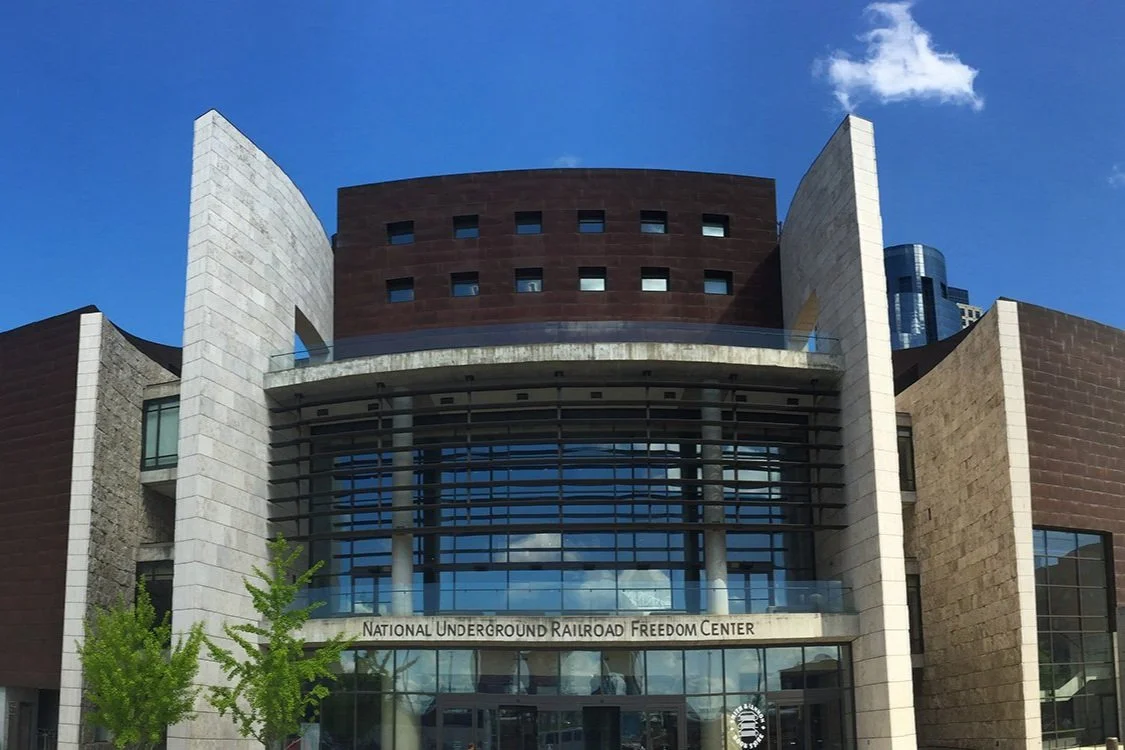
The Freedom Center
Situated on the banks of the Ohio River, The National Underground Railroad Freedom Center draws visitors from across the country seeking to understand the true meaning of inclusive freedom through different artifacts and exhibits.
Since opening in 2004, the Freedom Center has told the stories of heroes from the Underground Railroad through the present day. Its location on the Ohio River carries deep historical significance — the very banks where many enslaved people took their first steps on free soil after escaping through the Underground Railroad. Through thought-provoking exhibits, programming and films, the Freedom Center sparks dialogue around freedom, the denial of freedom, systemic racism, implicit bias and modern-day enslavement. For students, educators and first-time visitors alike, the Freedom Center offers a tangible connection to a chapter of American history that textbooks alone cannot fully convey.
It makes it a resource not just for Cincinnati, but for anyone seeking a deeper understanding of the country’s past and its ongoing story.
– Ella Tabor