



Growing as a Marketer can be a Queen’s Gambit
Thanks to the soon to be Emmy nominated Netflix show, chess is receiving its geek moment in the sun, but the strategy of chess can help as you create your marketing and communications kingdom for 2021.

Courtesy of Netflix
The Queen’s Gambit is widely known for two reasons.
It’s one of the oldest and most commonly played openings in the game of chess.
It’s a critically- and fan-acclaimed limited run series on Netflix.
Thanks to the soon to be Emmy nominated Netflix show, chess is receiving its geek moment in the sun, wearing heavily applied zinc oxide and a Fruit of the Loom t-shirt in the pool. Time will tell if chess can join billion-dollar nerd industries like comic books and eSports, but the strategy of chess can help as you create your marketing and communications kingdom for 2021.
As explained by Vidya Priya Rao, chess game pieces include a king (the brand you are charged with protecting), and a queen (the agile chief marketing officer who can move in many directions but needs a strategy before taking the leap). The bishops, rooks and knights are the many platforms from which we must choose. All move in unique ways, but all have limits as to how they best move. We all have knights we’d like to forget. And some we can’t remember.
No, the pawns are not your marketing team – and shame on you for thinking it. The pawns are the tools we use including white papers, websites, flyers, well-crafted emails and hand-written thank you notes. Played well, a pawn is of tremendous worth – just like your marketing team. Except for Bert. Can we leave him on furlough?
Knowing the rules and analyzing each move is only part of chess. It’s critical to also know yourself, your strengths and your weaknesses. By making the right moves, you can use your weaknesses to your advantage, luring your opponent into an area of the game where you are strongest.
Chess isn’t one big move. It’s a series of small steps on the way to checkmate. The same is true for your marketing plan. Calculated and tactical small moves can result in big wins.
As each chess player assesses next moves, there are rules - but the best players and marketers don’t necessarily consider the rules. Experience has woven best practices into their every thought and action so they can focus on the end game – results. In chess and business, you must continue to learn. You can trust that your competitors do.
Become a better player by surrounding yourself with the best (that’s what the Russians do). Network with the best, compete with the best, work for the best. Fill your marketing team with individuals who challenge you and who might someday replace you. Chess strategy also allows for the sacrifice of a game piece in order to make a winning move later in the game. Sometimes, you have to give up a pawn to protect the king.
Just like marketing, chess has players, winners, and losers. When you lose, learn from it so that you might win next time.
Chess also has draws. Draws are boring. Bert is boring. Don’t be like Bert.
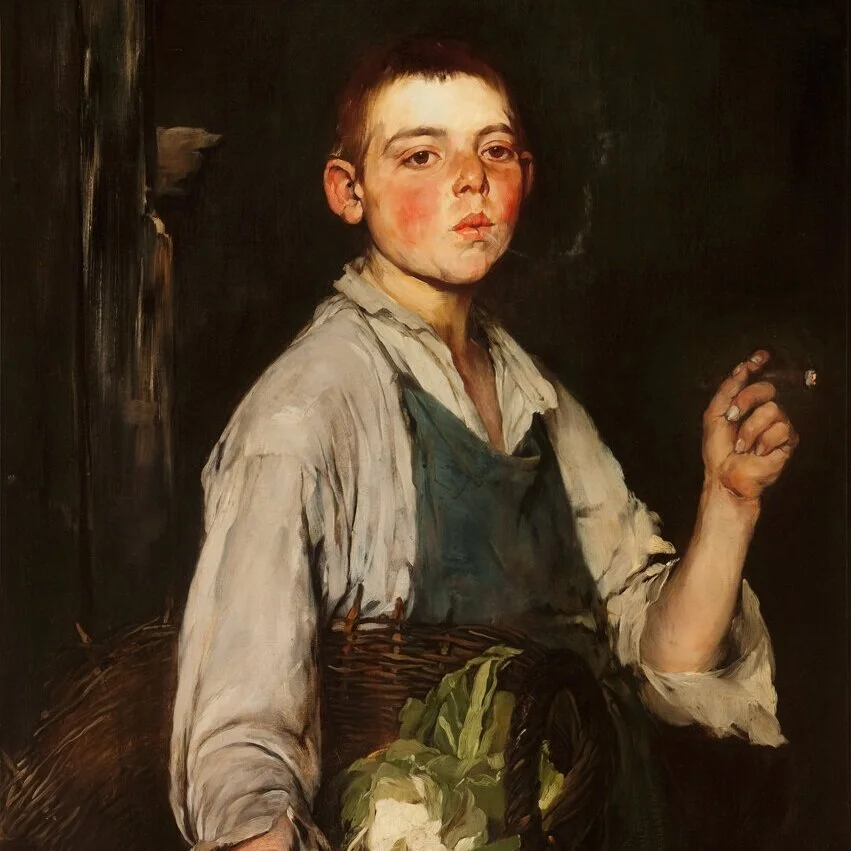
Cincinnati Art Museum presents Frank Duveneck: American Master, the first comprehensive exhibition of the artist’s work in more than 30 years
The Cincinnati Art Museum will present a major re-evaluation of the work of Frank Duveneck, the most influential painter in Cincinnati history, from Dec. 18, 2020–March 28, 2021.


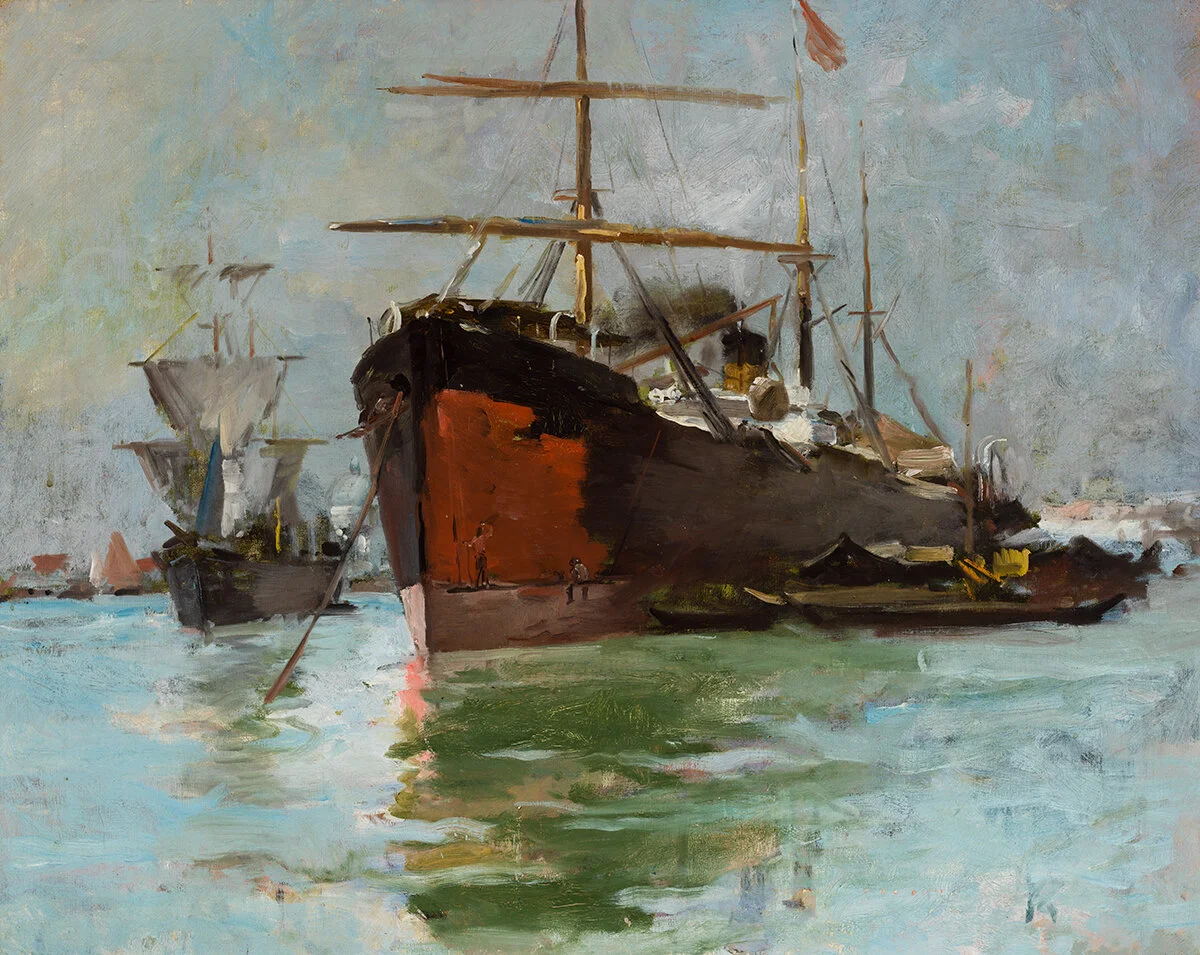

Image credit: Frank Duveneck (1848–1919), United States, He Lives by His Wits, 1878, oil on canvas, Collection of Gates Thornton Richards and Margaret Kyte Richards

The Cincinnati Art Museum will present a major re-evaluation of the work of Frank Duveneck, the most influential painter in Cincinnati history, from Dec. 18, 2020–March 28, 2021.
Through his brilliant and inspiring work as a painter and printmaker and as a charismatic teacher, Duveneck’s impact on the international art world of his time was substantial and enduring. More than 90 examples across media from the holdings of the museum, the leading repository of the Kentucky native’s work, and 35 pieces on loan from collections across the United States, will provide a fresh, in-depth look at this important artist.
Once Cincinnati’s most celebrated artist, Duveneck was born in Covington to Westphalian immigrants in 1848. He studied in Munich, Germany, where he became an influential teacher, and spent nearly two decades in Europe. His work reflected the impact not only of modern German art, as is widely acknowledged, but also French and Italian work. His paintings’ lack of finish and assertive brushwork parallel Impressionism, and his work as a printmaker positioned him centrally in the period’s etching revival.
A captivating educator of men and women, Duveneck counted John Henry Twachtman and Elizabeth Boott among his pupils and James Abbott McNeill Whistler among his collegial friends. Returning to the United States in 1888, Duveneck taught at the Art Academy of Cincinnati, where he became director of the faculty in 1905. As a mentor and esteemed advisor to collectors and the Cincinnati Art Museum staff, Duveneck’s impact on the Cincinnati art world remains unparalleled.
This is the first exhibition in 30 years to dive deep into Duveneck’s artistic development, his working methods, and the historical and social context of his subjects. Presenting abundant new research, the exhibition upends many common misconceptions and reveals the artist’s accomplishments across subjects and media, including oil paintings, drawings, watercolors, pastels, etchings, monotypes, and sculpture.
The paintings of streetwise kids and informal portraits for which he is renowned are accompanied by society portraits, Bavarian landscapes, Venetian harbor views, depictions of Italian city and country folk, renderings of the nude figure and more. A profusely illustrated catalogue published with D. Giles Ltd is available in the museum’s Gift Shop.
Dr. Julie Aronson, curator of American Paintings, Sculpture and Drawings at the Cincinnati Art Museum since 1999, has been working on the exhibition for several years.
“We are excited to celebrate Frank Duveneck with this exhibition that illuminates one of the unique strengths of the Cincinnati Art Museum’s collection: its deep concentration in the works of one of the towering figures of American art of the late nineteenth and early twentieth centuries. Side by side with our stunning Duveneck masterworks are key paintings on loan from across the country, presenting a fresh approach to the compelling story of one of our regional heroes. Duveneck’s bravura painting shines in this exhibition as never before!” said Aronson.
Duveneck: American Master was organized with the generous support of the Harold C. Schott Foundation. This exhibition is presented by Western & Southern and Fort Washington Investment Advisors, Inc., with additional support from the Wyeth Foundation for American Art, the Duveneck Association of the Cincinnati Art Museum, Mike and Sue West, and the Wohlgemuth Herschede Foundation.
The exhibition will be on view in our Western & Southern galleries (G232 & G233). Tickets for the exhibition are free for members and will soon be available for purchase by the general public at the Cincinnati Art Museum front desk and online at cincinnatiartmuseum.org. Photography without flash is encouraged. On social media, use the hashtag #CAMDuveneck
Elsewhere in the museum, Duveneck will be celebrated with a free display, Grand Experiment in Italy: Etchings by Duveneck and His Students, from Dec. 5, 2020–April 4, 2021 (G213). Curated by Cincinnati Art Museum’s Curator of Prints Kristin Spangenberg, the special feature showcases 18 rare etchings by Duveneck and his students, including a trial proof of The Riva, a previously unrecorded early etching by the artist in 1880.
In addition, Duveneck’s art in the Cincinnati Wing has been freshly installed with More Duveneck! Paintings from the Vault, which presents 35 paintings by the artist from the museum’s renowned collection, hung salon-style in the Otto M. Budig Family Foundation Gallery (G110).
Cincinnati Art Museum reopens with fanfare thanks to Cincinnati Chamber Orchestra performance on June 20
The galleries of the Cincinnati Art Museum have sat silent for nearly 100 days. On June 20, with the trills of a trumpet, buzz of a bassoon and vibrations of a viola, a harmonious homecoming will be heralded outside of the building as visitors will once again be allowed back in.

The galleries of the Cincinnati Art Museum have sat silent for nearly 100 days. On June 20, with the trills of a trumpet, buzz of a bassoon and vibrations of a viola, a harmonious homecoming will be heralded outside of the building as visitors will once again be allowed back in.
The museum has been closed since March 14, 2020 due to the COVID-19 pandemic. And although the museum provided online experiences and virtual content in the meantime, the chance to revisit the artwork in person is something to celebrate.
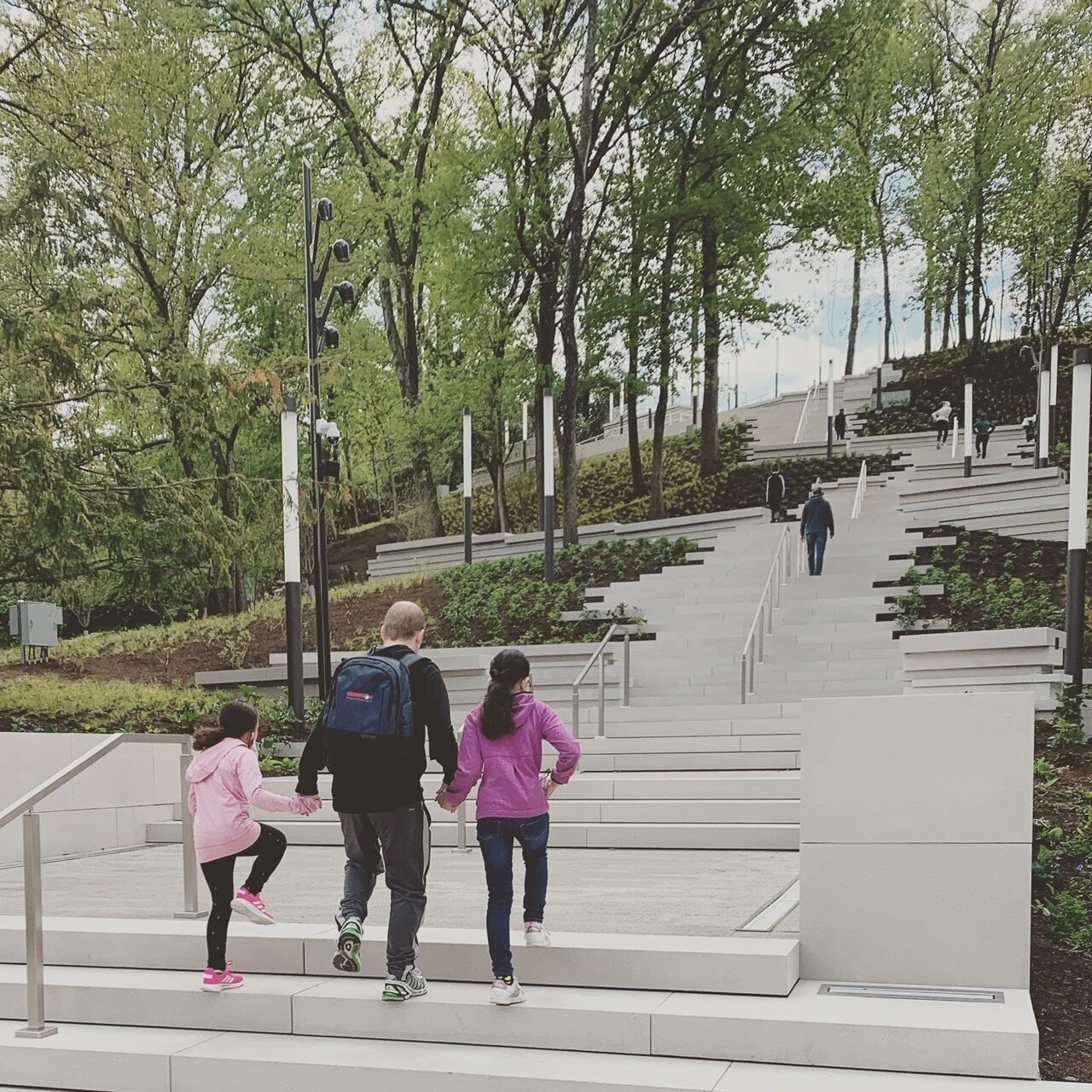
Cincinnati Chamber Orchestra (CCO) will ring in the museum’s reopening on Saturday, June 20 from 11 a.m.–12:30 p.m. at the museum’s new Art Climb, at the corner of Gilbert Avenue and Eden Park Drive. Spanning a hill nearly as tall as Cincinnati’s Carew Tower, the Art Climb is the museum’s way to activate its grounds through casual and recreational art interactions outside the walls of the museum.
At various landings among the 164 steps, a variety of CCO small ensembles will perform including three quartets (strings, brass and winds) and a trumpet duo. While safely social distancing, visitors are encouraged to start at the bottom of the Art Climb and enjoy brief musical works as they make their way up and down the steps. There will be two full rotations up and down the steps over an hour and a half.
Those who wish to visit the museum before or after the performance are asked to reserve tickets at: cincinnatiartmuseum.org/visit. The Cincinnati Art Museum is taking many precautions to ensure that visitors have a safe visit, including increased cleaning, use of hospital-grade air filtration, posted signs and new policies and procedures.
“We are so excited to have something to celebrate. And the partnership between the museum and the Cincinnati Chamber Orchestra is something we can toot our horn about,” said Russell Ihrig, Cincinnati Art Museum’s Associate Director of Interpretive Programming.
Cincinnati Art Museum Reopening
Public Hours
Saturday, June 20 from 11 a.m.–5 p.m.
Sunday, June 21 from 11 a.m.–5 p.m.
Starting June 25: Thursdays from 11 a.m.–8 p.m.; Fridays through Sundays, 11 a.m.–5 p.m.
Member Hours
Thursday, June 18 from 11 a.m.–8 p.m.
Friday, June 19, from 11 a.m.–5 p.m.,
Every Saturday and Sunday from 10–11 a.m.

Is fake news a real thing? Ask WLWT’s Ashley Kirklen
Whatever questions you have about broadcasting, journalism or TV news, here’s your opportunity to get answers from WLWT anchor and reporter, Ashley Kirklen.

How are stories chosen for television newscasts?
Why is there so much sadness and violence in the news?
Is fake news a real thing?
Whatever questions you have about broadcasting, journalism or TV news, here’s your opportunity to get answers from WLWT anchor and reporter, Ashley Kirklen.
The Greater Cincinnati and Northern Kentucky African American Chamber of Commerce welcomes Ms. Kirklen for Meet the Press, Jan. 27, 7-8 p.m. at the Chamber headquarters, 2303 Gilbert Avenue, Cincinnati. The event is free and open to the public.
Ms. Kirklen is originally from Indiana and holds a degree in communications from Indiana University. Her career has taken her to Georgia, Michigan and of course, the Tri-State region. Miss Kirklen also serves on the board of Cincinnati’s chapter of National Association of Black Journalists.
Before becoming a journalist, Ms. Kirklen was an educator in Charlotte and South Korea. Why South Korea? Ask for yourself – or ask other questions including how to share your story in the news at Meet the Press, Jan. 27. Learn more here.

Sara Vance Waddell is an art evangelist, spreading the gospel about the underappreciated female artist
When Sara Vance Waddell shows visitors around her art gallery/home in Indian Hill, it’s easy to see the passion with which she collects, displays and yes, gives her own personal audio tour of her collection. Rotated twice a year, the paintings, sculpture, performance art pieces and the like all showcase her favorite subject: The female artist.
By Betsy Ross, Contributing Writer
Photos and Videos by Madison Schmidt
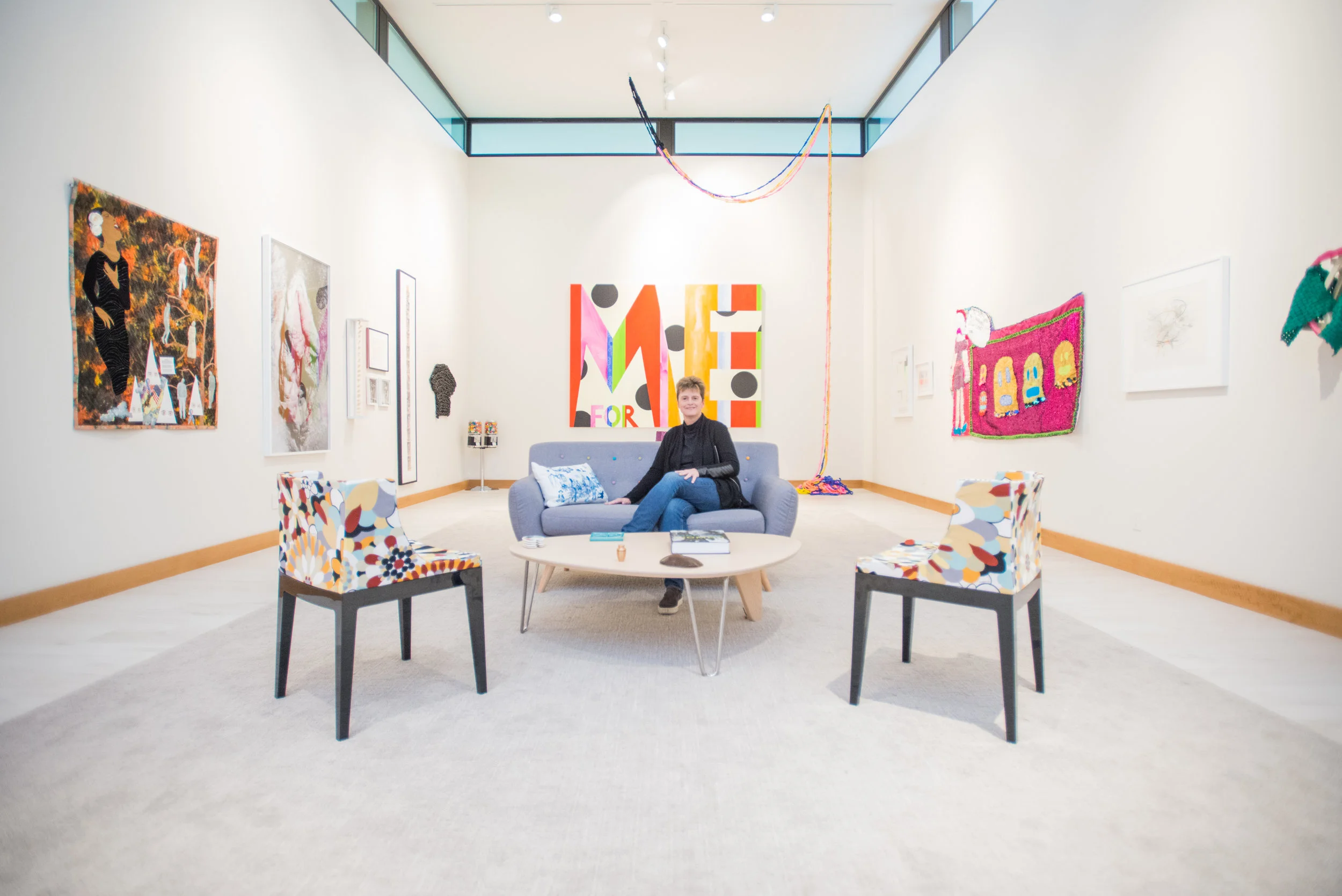
When Sara Vance Waddell shows visitors around her art gallery/home in Indian Hill, it’s easy to see the passion with which she collects, displays and yes, gives her own personal audio tour of her collection. Rotated twice a year, the paintings, sculpture, performance art pieces and the like all showcase her favorite subject: The female artist.
Her passion to promote creative women has now become a new initiative for The Carnegie Art Gallery in Covington, part fundraiser and part educational program, and given her new opportunities at the Museum of Modern Art in New York.
But it’s a long way, literally and figuratively, to the New York art scene from Sara’s birthplace in Ripley, Ohio, a journey she never envisioned.
With the exception of a few John Ruthven paintings that her mother enjoyed collecting, Sara didn’t grow up with art or visiting museums.
It wasn’t until she was hired as a media buyer for the Cincinnati Art Museum some two decades ago that art became part of her life.
“Going to the museum for meetings and walking through the Great Hall, walking through galleries and seeing the art, it did something to me. I can’t explain it, it just happened. And at that point I decided to start being philanthropic, and made a donation to the museum in memory of my mom.”
The donation led to invitations on both the Art Museum board and the board of the Contemporary Arts Center (CAC).
Having never been exposed to contemporary art, Sara was drawn to the variety of subject matter: Politics, sexual orientation, gender identity, for example.
“I collect difficult work,” says Sara. “I don’t have too many pieces of work where you go: ‘That’s so beautiful.’ I hear the words, ‘it’s powerful, it’s riveting, it makes you think.’”
She had a connected and smart guide to help her navigate the contemporary arts scene when she began collecting in the late 1990s. Thom Collins, who served as the chief curator of the CAC when the Zaha Hadid building opened in its current location, began introducing Sara to artists in Cincinnati and New York. Collins is a leading American museum director and currently serves as the president of the prestigious Barnes Foundation in Philadelphia.
While there is no formal database or list of art collectors focusing on female artists, Sara hopes her collection will inspire other collectors.
Collectors are competitive. So what’s her biggest ‘get’ so far in the collection?
Sara will quickly answer: “Carolee Schneemann’s Interior Scroll.”
According to an essay on the artist’s career: “Forty years ago on August 29, 1975, the thirty-six-year-old artist Carolee Schneemann pulled a scroll from her vagina. The performance, titled “Interior Scroll,” is an essential moment in performance art history, and an important milestone in the artist’s provocative and influential oeuvre.”
And what doesn’t she have that she’d like?
“Perhaps a (German-born American sculptor) Eva Hesse piece.”
Sara is a rarity in the art world, in that her focus is on female artists.
Which brings us to The Carnegie and the female-centric programming Sara is helping launch.
The “Art of She” was launched last week to support The Carnegie Gallery, an idea conceived by the Carnegie’s Katie Brass after a visit to Sara’s gallery. For $500 a year, the donor and a guest will be invited to two events each year focused on female artistic expression, which could range from visual arts, culinary arts or the occasional cocktail art.
The first event hosted by Sara in her gallery welcomed 50 guests who enjoyed a food demonstration by Chef Renee Schuler of Eat Well Celebrations and Feasts and a cocktail demonstration by Molly Wellmann of Wellmann Brands.
Interested in joining? Email Katie Brass at kbrass@thecarnegie.com.
Sara’s arts world is about to expand to the Museum of Modern Art (MoMA) in New York, again, with a focus on women artists.
Cincinnati now shares Sara’s heart and art with New York where she and her wife, Michelle, have a second home.
She actively loans her art to museums and galleries for exhibitions. Curators started to take notice of Sara’s private collection. One curator from MOMA took particular notice and sent Sara a letter inviting her to join an acquisition committee called the Modern Women’s Art Fund, revived to help the museum acquire works of art by women for the MOMA.
It’s an opportunity for Sara to help curate the next generation of acquisitions for MoMA’s female artist collection, something she thinks museums can do better.
Note to museums from Sara: “If there are museums that are acquiring women artists, I’d love to know about it because I’d be right there.”