

Building a Legacy
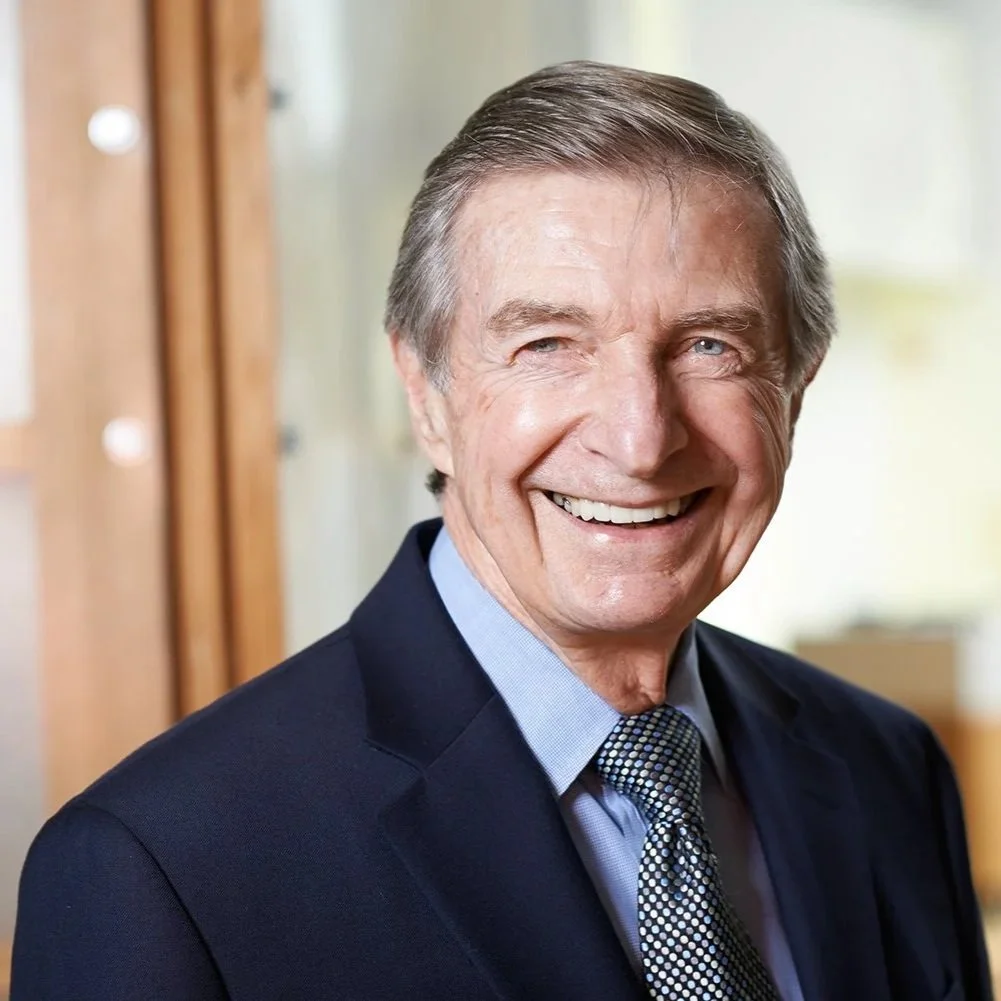
Ronald B. Kull, FAIA, the architect behind one of the most ambitious and celebrated campus transformations in American higher education, passed away on Dec. 22, 2025, from complications of Parkinson’s disease and Lewy body dementia. He was at home in Cincinnati, cared for with devotion by his wife of 23 years, Mary Stagaman.
Born and raised in Corryville, Kull carried a lifelong belief that architecture shapes not only buildings, but identity, pride, and possibility. After graduating from Hughes High School, he worked at GE Aircraft Engines while serving in the Naval Reserve. His passion for design led him to persuade the dean of the School of Architecture at the University of Cincinnati to admit him. In 1968, he graduated first in his class, an early signal of a career defined by vision and rigor.
Kull spent two decades in public service with the City of Cincinnati as Urban Designer, City Architect, and Superintendent of Architecture and Facility Management, gaining deep experience in civic-scale planning and execution. That foundation prepared him for what would become the defining achievement of his professional life.
In 1990, Kull was appointed University Architect at the University of Cincinnati and charged with leading a comprehensive reimagining of the 200-acre urban campus. Under his leadership, UC embarked on a $1 billion master plan that redefined the role of architecture in higher education. He did not simply commission buildings. He curated a living portfolio of contemporary design by assembling an extraordinary roster of world-renowned architects, including Frank Gehry, Michael Graves, Charles Gwathmey, Harry Cobb, and Thom Mayne.
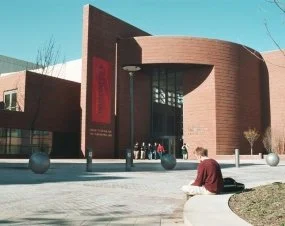
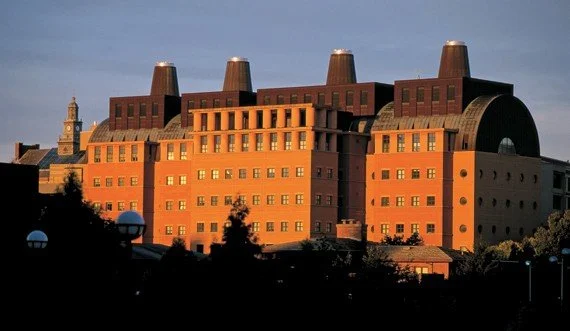
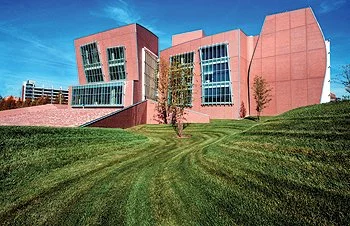
Through Kull’s stewardship, UC became one of the rare campuses where globally significant architecture exists not as isolated statements, but as a cohesive and livable whole. Each project was guided by his insistence on excellence, urban connectivity, and respect for context. The result was a dramatic transformation from a utilitarian commuter campus into a nationally admired destination for design, scholarship, and student life. Enrollment growth followed, as did sustained national attention.
That attention culminated in a defining moment when Forbes named the University of Cincinnati one of America’s 10 most beautiful campuses in 2010. The recognition affirmed what architects, planners, and students already knew. UC had become a case study in how thoughtful leadership and bold architectural collaboration can elevate an institution and a city simultaneously. In 2007, Kull was hnored as a Fellow of the American Institute of Architects, recognizing the national significance of his contributions.
Following his work at UC, Kull joined GBBN Architects, where he directed a $1.2 billion program to build or renovate 51 schools for Cincinnati Public Schools. Even late in life, he remained driven by curiosity and discipline, earning his real estate license while nearing 80.
He believed architecture was inseparable from community. Former UC head of communications Greg Hand recalled that Kull consistently reminded university leadership that UC did not exist in isolation from its neighbors. He initiated monthly meetings with skeptical community members, listened intently, and translated concerns into action. One tangible outcome was the creation of a new Corryville recreation center, replacing an aging facility displaced by campus construction. It was a small but meaningful example of Kull’s belief that great architecture must also be humane.
Beyond accolades and awards, Kull’s legacy is measured in the standards he set. He taught by example through his work ethic, kindness, humor, and grace during years of illness. He loved Cincinnati deeply, while also finding joy at Lake Wawasee in Indiana, traveling the world, celebrating Jewish traditions after converting in midlife, and filling his home with Cincinnati art, music, and friends. Evenings often ended with his favorite indulgence, Graeter’s double chocolate chip ice cream.
He is survived by his wife Mary; his children Michael (Jayme Braatz), Clayton, Lauren, and Aaron Kull; ten grandchildren; two great-grandchildren; Mary’s nine siblings and their families; and his devoted caregivers Jamie Parker and Tara Schmidt.
Kull leaves Cincinnati with a rare and enduring gift. A city and a university permanently shaped by architectural excellence, global collaboration, and the quiet conviction that design, done right, can change how people live, learn, and belong.