

Founding Mothers
March is International Women’s Month and close to home we have many reasons to honor the occasion.
Many of Cincinnati’s most beloved institutions owe their success, and in some case their very existence, to women. Women of influenced local politics, business, and even that most Cincinnati of endeavors, baseball.
We’ve chosen a Cincy 6 to highlight this month, but this is nowhere near a complete list of the incredible women who have made Cincinnati what it is today.
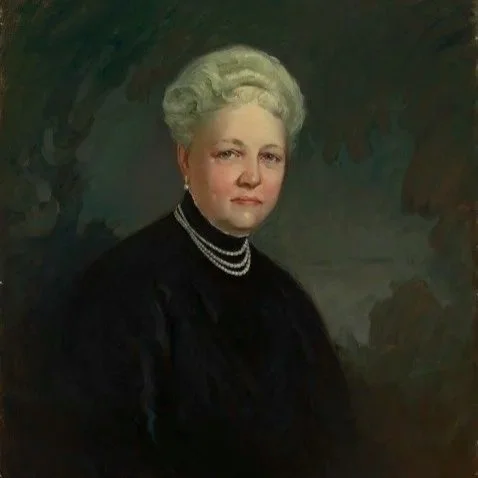
Dixie Selden, “Portait of Mary Emery,” courtesy
of Emery Oleochemicals
Mary Emery
HERSTORY: Sure, some people have buildings named after them, but Mary Emery has a whole village named after her!
Born in New York in 1844, Mary M. Hopkins Emery married Cincinnati business man Thomas J. Emery in 1866, Their two children died young and Mary devoted herself to philanthropy, particularly causes centered around children.
Marry and her husband contributed to the Children’s Hospital, the Orphan Asylum for Colored Children, and the Fresh Air Farm and Society. After Thomas passed away, she created the “Thomas J. Emery Free Day Endowment” fund which provided free admission to the Cincinnati Art Museum.
Perhaps her most enduring work was the the creation of Mariemont. A planned community founded in 1923, Mariemont was one of most comprehensive real estate developments of its kind, with not only affordable housing, but shops, a theater, hotel, a library, and othe businesses all in easy walking distance of for residents.
WHY YOU KNOW HER: Mariemont, The Emery Theatre, and the Emery Wing at Cincinnati Art Museum
FUN FACT: She bought a zoo! The Cincinnati Zoo was close to being shut down in 1916, but Mary (and her friend Anna Taft) made a contribution that helped the zoo stay afloat. Today, the Cincinnati Zoo & Botanical Garden is the second oldest zoo in the United States.
Regina Graeter
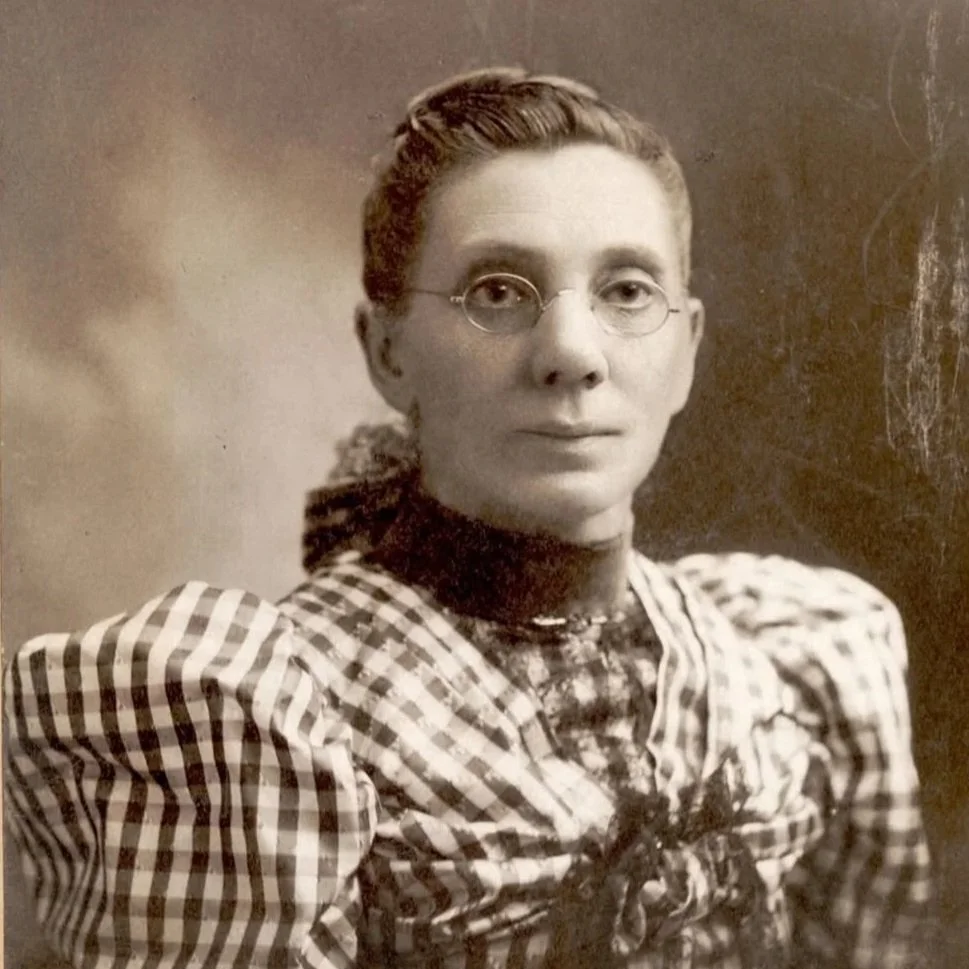
Image courtesy of Graeter’s
HERSTORY: Louis Charles Graeter may have started making and selling ice cream in 1870, but Regina created the sweet, sweet juggernaut we know today.
In 1900, the Graeters began selling ice cream in the front of a store on McMillan, while making it in back. Widowed in 1920, Regina had two young sons, an ice cream business, and a mountain of sexism to overcome. The business not only thrived, but expanded, with an expansion to Hyde Park in 1922, and more shops throughout the city. Known simply as “the boss,” she steered Graeter's through the Great Depression, WWII, and many other economic ups and downs. Though she passed away in 1955, Graeter’s continued to grow, becoming a national brand, considered one of Oprah’s favorite things.
WHY YOU KNOW HER: That pint of ice cream currently in your freezer
FUN FACT: Eschewing mass-produced methods, Regina’s dedication to hand-crafted ice cream means that Graeter’s is only commercial ice cream manufacturer in the world still using French Pot freezers.
Marian Spencer
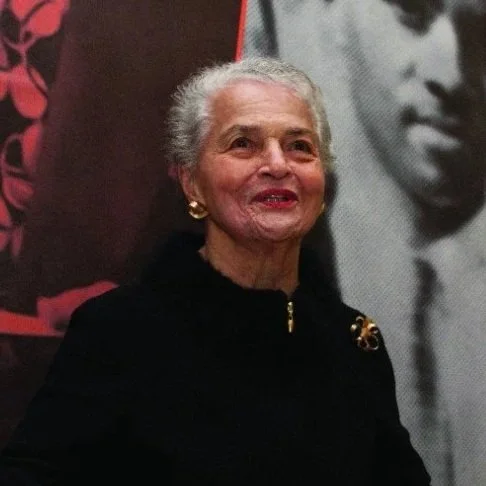
Image courtesy of University of Cincinnati
HERSTORY: Born in Gallipolis, Ohio in 1920, Marian Alexander Spencer would become on of the most pivotal Civil Rights leaders in Cincinnati.
A University of Cincinnati graduate. Marian began her public fight for civil rights in 1952 when she led the desegregation effort at Sunlite Pool at Coney Island. Throughout her life, Marian championed civil rights and racial equality, aided in the fight by her Donald Spencer. She served on the Civil Rights Commission Ohio Advisory Board, Housing Opportunities Made Equal, Planned Parenthood, and the Cincinnati Human Services Task Force, and was president of NAACP of Cincinnati. She was also elected to Cincinnati City Council and was named Vice Mayor.
Her dedication to her community garned her multiple honors, including being named a Cincinnati Enquirer’s “Woman of the Year Award” in 1972, chosen as a “Great Living Cincinnatian” by the Chamber in 1998, and named UC’s William Howard Taft Medal for Notable Achievement at the 2018 Distinguished Alumni Celebration Awards.
WHY YOU KNOW HER: , Marian Spencer Way; Marian Spencer Hall and Marian Spencer Scholarship at UC; Marian A. Spencer Statue in Smale Park,
FUN FACT: At UC in the 1940s, Marian and her husband created the Quadres, a theater and musical group designed to to fight segregation on campus but opening up extra curricular activities to African American students. This led to the subsequent integration of the student newspaper, the band and the University YMCA Council.
Maria Longworth (Nichols) Storer
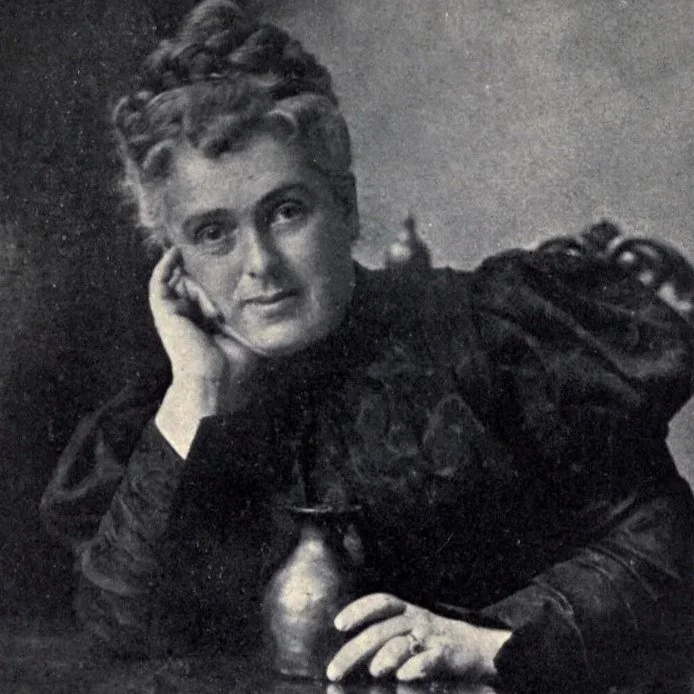
Courtesy of Rookwood
HERSTORY: Born in 1849 into the wealthy and well-known Longworth family, Maria Longworth Nichols Storer had a comfortable upbringing which allowed her to study the fine arts.
Her devotion to the arts led her to create the May Festival, the first music festival in America founded by a woman. She also studied art at what is today the Art Academy of Cincinnati.
Particularly taken with ceramics, she launched Rookwood in 1880, hoping to put American art pottery on the map. She was the first woman founder of a manufacturing company in the United States, Within in 10 years, Rookwood had won a gold medal at the Paris Exposition.
WHY YOU KNOW HER: Rookwood Pottery
FUN FACT: She had an EPIC rivalry with fellow ceramicist Mary Louise McLaughlin. But based on which pottery you can still buy today, I think we all know who won that battle.
Rosie Reds
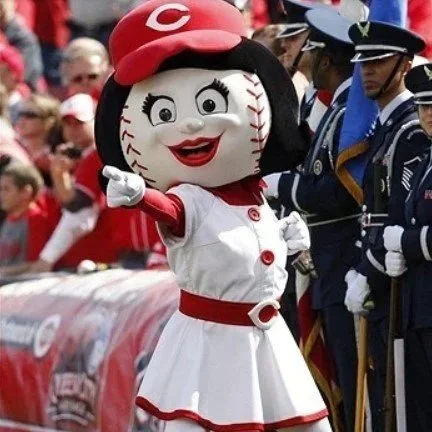
HERSTORY: It is impossible to picture Cincinnati without the Reds. But in 1964 rumors were swirling that the Reds’ owner, Bill DeWitt, was going to see the team to another city. A literal group of concerned citizens got together to try to stop it.
From a committee of 40 people, a Women’s Committee for the Cincinnati Reds of Cincinnati Unlimited was formed by two of the three women from the larger group. The Women’s Committee began to brainstorm ways to increase women’s attendance at Crosley Field. Ideas included offering a package deal with dinner and a bus trip to the game, a cocktail party to kick off the Women’s Committee followed by a ballgame, and developing a mascot to go along with the “Little Red Man.”
Enthusiasm in the Women’s Committee grew, and the “Rosie Reds” were born. By January 1965, 445 members had been recruited and by May 1 there were 865 Charter Members of the Rosie Reds.
The first “Innings of Fashion” was held at Mabley & Carew, the day before Opening Day 1965. On Opening day, the 2 founders participated in the Pre-game ceremony (which continues as a tradition today), Rosie Red debuts with the Little Red Man, Cincy Red on the cover of the Reds scorecard and the journey begins.
FUN FACT: The original committee included Johnnie Berry – wife of Theodore Berry, Ruth Lyons, and Page Kess – Only daughter of Powel Crosley Jr.
Anna Taft
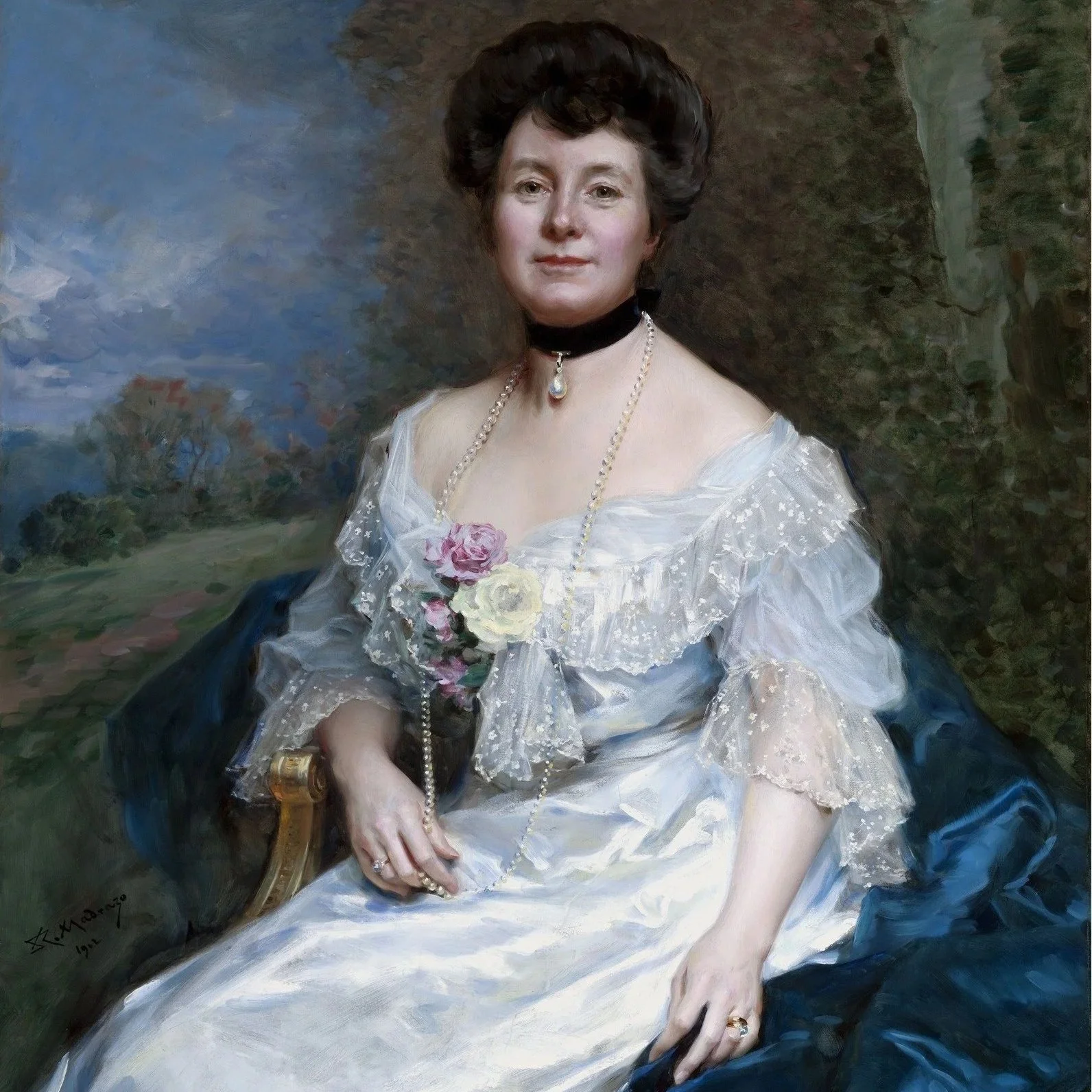
Raimundo de Madrazo y Garreta (Spanish, 1841–1920), '“'Anna Sinton Taft,” 1902, oil on canvas. Bequest of Charles Phelps Taft and Anna Sinton Taft
HERSTORY: Anna Sinton Taft was born on March 12, 1850 in Cincinnati. When Nicholas Longworth (grandfather of Maria Longworth Nichols Storer) moved out of the house now known as the Taft Museum of Art, pig iron magnate David Sinton and his daughter, Anna, moved in. In 187, Anna married Charles Phelps Taft and the couple lived in the house for more than 50 years.
When Anna inherited her father’s fortune – valued at more than $600 million in today’s money – in 1900, she and Charles began collecting art. In 1927, they bequeathed their house and collection of 530 works to the people of Cincinnati. The Taft Museum of Art opened in 1932.
The Tafts also supported the Cincinnati Art Museum, Symphony Orchestra, Opera, Conservatory of Music, and Zoo, Upon Anna’s death, the Cincinnati Times-Star praised “the high plane on which she strove to place our community in music, education, and the fine arts.”
WHY YOU KNOW HER: Taft Museum of Art, Taft Theatre
FUN FACT: The Cincinnati Institute of Fine Arts, founded by Anna and her husband, in 1927 is now known as ArtsWave.
She also bought a zoo (see above.)